Table of Contents
ToggleBoston homeowners walk a fine line between respecting the city’s rich architectural heritage and embracing contemporary comfort. A bathroom design in Boston isn’t just about fixtures and finishes, it’s about honoring the bones of historic homes while integrating modern functionality. Whether you’re updating a 1950s suburban split-level or carving out space in a 19th-century brownstone, the best Boston bathroom designs blend period-appropriate details with today’s efficiency standards. This guide walks you through the key principles, layout strategies, material choices, and budget-conscious updates that make sense for the Boston market and your home’s character.
Key Takeaways
- Boston bathroom design succeeds by honoring historic architectural character while integrating modern functionality, whether updating a 1950s split-level or renovating a 19th-century brownstone.
- Period-appropriate finishes like white subway tile, hexagonal floor tiles, pedestal sinks, and 36-inch wainscoting create authentic Boston bathroom designs that respect the home’s era.
- Functional bathroom layout relies on the efficient toilet-sink-shower triangle, minimum clearances per IRC code, and proper exterior ventilation to prevent mold and condensation issues common in older Boston homes.
- Material choices that age well include quartz countertops, porcelain tile, and honed marble, while neutral color palettes of soft whites, warm grays, and natural wood tones provide timeless sophistication.
- High-ROI budget updates—such as painting ($500), replacing the vanity ($1,500–$4,000), upgrading lighting ($200–$1,000), and installing a quality faucet ($300–$800)—deliver outsized impact without full renovation costs.
- Maximize natural light through large windows and skylights to counteract Boston’s long, gray winters, and use matte finishes, clean lines, and layered lighting to create a contemporary wellness-focused bathroom aesthetic.
Understanding Boston’s Unique Design Aesthetic
Colonial and Historic Influences
Boston’s bathroom design DNA runs deep into the city’s colonial and Victorian past. Many homes here were built before standardized bathrooms existed, meaning the spaces themselves are newer additions squeezed into period structures. This creates a real design challenge: you want your bathroom to read authentically within the home’s era, not like a generic modern box dropped into a 200-year-old house.
Historic Boston bathrooms favor symmetry, natural materials (marble, slate, subway tile), and understated elegance. White or soft gray subway tile, small hexagonal floor tiles, pedestal sinks, and clawfoot tubs are bread-and-butter choices in period-appropriate renovations. Wainscoting (about 36 inches high, typically 5-inch beadboard) is common in colonial and Victorian homes and adds authenticity without sacrificing modern comfort. The trim should match the home’s existing baseboards and crown molding in profile and style.
Building codes in Boston often require permits for bathroom work, especially if you’re moving plumbing or electrical lines. Check with your municipal building department before starting, structural changes, ventilation upgrades, and electrical work in wet spaces all fall under inspection.
Modern Boston Style Trends
Today’s Boston homeowners increasingly blend historic bones with Scandinavian minimalism and contemporary spa aesthetics. This means paired-down palettes, natural light, and high-performance materials that feel timeless rather than trendy.
The modern Boston bathroom strips back the maximalism of the 2010s in favor of clean lines, matte finishes, and a lighter hand on decoration. You’ll see black or charcoal matte fixtures paired with soft whites and grays, large-format tiles (24″ × 48″ is popular for both visual flow and easier cleaning), and open shelving instead of bulky medicine cabinets. Heated floors, towel warmers, and integrated lighting (rather than a single overhead fixture) signal a shift toward wellness and comfort.
Large windows, skylights, and borrowed light from adjacent rooms are highly valued, Boston winters are long and gray, so maximizing natural light during those rare sunny moments pays dividends. If privacy is a concern, consider opaque or frosted window film on the lower half, or strategic placement of window treatments.
Essential Elements of a Functional Bathroom Layout
A well-planned bathroom layout respects the “triangle” concept: toilet, sink, and shower/tub form an efficient work zone. In Boston homes where square footage is often tight, every inch counts.
Minimum clearances set by the International Residential Code (IRC) include at least 15 inches from the center line of the toilet to any wall or fixture (some jurisdictions require 18 inches). Your sink should sit 30 to 36 inches high, and you’ll want 24 to 30 inches of counter space on each side for functional grooming. The shower or tub needs a clearance of at least 30 inches in front for safe entry and exit, non-negotiable for safety and code compliance.
Ventilation is critical in Boston’s humid climate and older homes prone to condensation. Install a bathroom exhaust fan rated for your room’s square footage: typically 1 CFM (cubic feet per minute) per square foot of floor space, or 20-30 CFM minimum for a small powder room. Ductwork should run to the exterior of the home, not into the attic or walls, to prevent mold and rot, a serious issue in older Boston properties. An inline ductless fan is a code-violating shortcut: don’t take it.
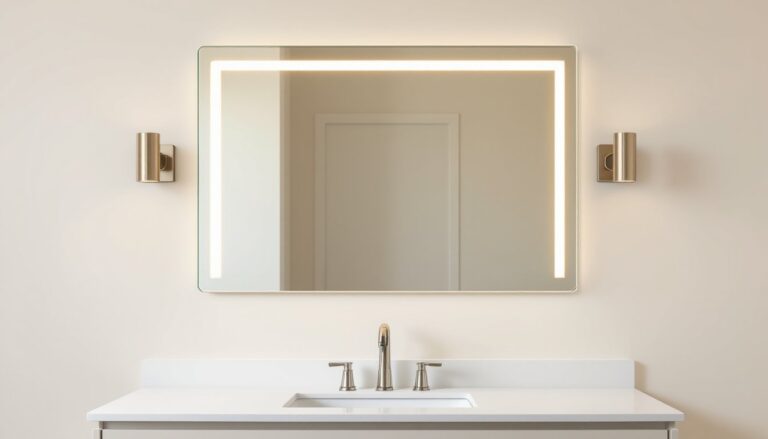
Lighting should include a dedicated circuit (per NEC code) with GFCI (ground fault circuit interrupter) protection on all outlets within 6 feet of water sources. Sconces flanking the mirror provide better grooming light than a single overhead fixture. If you’re adding heated floors or a heated mirror, consult an electrician, these draw significant amperage and may require a dedicated 20-amp circuit.
Storage solutions should address clutter without eating into the room’s visual space. Floating vanities (12 to 18 inches of clearance below) make small bathrooms feel larger and simplify floor cleaning. Recessed shelving above the toilet, a deep medicine cabinet, or a linen closet (if you have the space) all reduce counter clutter and improve daily function.
Color Palettes and Materials That Work Best
Boston’s palette leans toward neutrality and restraint, think soft whites, warm grays, and natural wood tones. This isn’t timidity: it’s sophistication born from centuries of New England aesthetics.
Classic combinations that age well include white subway tile with pale gray grout, pale gray walls, and natural wood vanity or shelving. Charcoal or matte black accents (mirror frames, light fixtures, faucets) add contemporary edge without feeling trendy. White carrara marble is iconic but porous and stains easily, consider honed marble or engineered stone if you want the look with better durability. Slate tile in gray or blue-gray is durable, naturally slip-resistant, and authentic to period homes.
Material choices should balance aesthetics with maintenance reality. Subway tile is timeless for walls, but large-format tiles (12″ × 24″ or larger) require fewer grout lines and are easier to clean, crucial for steamy bathrooms. Porcelain tile is more forgiving than natural stone and resists staining. For flooring, heated porcelain tile is luxurious and practical in cold Boston winters: radiant heat makes barefoot mornings bearable.
Countertop materials deserve careful thought. Quartz (engineered stone) offers the look of marble without the fragility: it resists staining, bacteria, and scratches better than natural stone. Solid-surface materials like Corian are seamless and hygienic but can scratch and require professional repair. Wood vanities are beautiful but need sealing in a humid bathroom, expect to re-seal every 2 to 3 years in Boston’s moisture-heavy climate.
Color accents work best as small touches: a towel, a window shade, or painted shelving inside a recessed niche. The Houzz bathroom gallery shows how Boston designers use restraint with color, a sage green or dusty blue wall in a powder room feels contemporary yet timeless. Avoid bold trends (bright pink tile, neon accents): they date fast and shrink the perceived space. If you want visual interest, use texture instead: matte finishes, natural materials, and layered lighting create depth without relying on color.
Budget-Friendly Updates for Boston Homeowners
Full bathroom remodels in the Boston area run $15,000 to $40,000+ depending on scope and finishes. If that’s out of reach, targeted updates deliver outsized impact and let you spread costs over time.
Highest-ROI updates include painting (fresh paint in soft gray or warm white costs under $500 and transforms a tired bathroom instantly), replacing the vanity and sink ($1,500 to $4,000 depending on quality), and upgrading lighting fixtures ($200 to $1,000 for quality sconces and a new ceiling light). A new faucet ($300 to $800) is one of the most-touched items in the bathroom and signals quality even from a distance.
Tile updates don’t require ripping everything down. Tile resurfacing or reglazing (a $1,500 to $3,000 investment) can refresh a tired shower surround or tub without full demolition. If you’re patient and handy, you can paint or refinish existing cabinetry with quality enamel ($300 to $600 total) and new hardware ($50 to $150) for a fraction of replacement cost.
DIY-friendly moves include replacing mirrors, hardware, and fixtures (watch YouTube tutorials or hire a handyperson for plumbing swaps if you’re unsure). Recaulking the tub and tile is tedious but costs under $50 and removes years of dingy buildup. New caulk, a color palette sourced from design guides like Remodelista, and fresh towels feel like a complete refresh without structural changes.
If you need contractor guidance on larger projects, ImproveNet’s cost guides and contractor matching service helps Boston homeowners plan scope and get realistic estimates. Getting 3 quotes is standard and ensures you understand the labor costs and timeline before signing.
Material selection affects long-term value. Luxury vinyl plank (LVP) flooring is cheaper than tile ($2 to $5 per square foot installed) but doesn’t add resale appeal the way real tile does in Boston’s discerning market. Splurge on the visible, high-touch items (vanity, fixtures, tile, lighting) and economize on secondary elements (paint, simple shelving, basic hardware).
Conclusion
A Boston bathroom that works reflects the home’s era and the owner’s lifestyle. Start by measuring carefully, checking codes with your building department, and understanding what’s cosmetic versus structural. Honor the home’s character while adding the modern comfort and efficiency today’s homeowners expect. Whether you’re refreshing finishes or gutting and rebuilding, the principles remain: clean lines, natural materials, good light, proper ventilation, and honest design that doesn’t fight your home’s bones. Your bathroom is where you start and end each day, invest thoughtfully, and it’ll reward you for years to come.