Table of Contents
ToggleA 10×10 bedroom is tight, but it’s not a lost cause. With smart furniture placement, the right storage solutions, and strategic use of color and light, a compact bedroom becomes functional and inviting. Whether you’re furnishing a guest room, a teenage hideaway, or a starter apartment, this space challenges you to be intentional about every piece. The payoff? A room that feels bigger than it is and actually works for how you live. Let’s break down the practical approach to designing a 10×10 bedroom that feels open, organized, and genuinely livable.
Key Takeaways
- A 10×10 bedroom design works best when you anchor furniture to walls and keep traffic paths clear, using 85–95 square feet of usable floor space strategically.
- Choose a full-size or queen bed based on your layout priorities, and add platform storage underneath or opt for a simple headboard to maximize functionality without bulk.
- Vertical storage through floating shelves, wall-mounted desks, and tall narrow units maximizes your 10×10 bedroom layout while keeping the room feeling open and organized.
- Light, neutral wall colors paired with mirrors and layered lighting (ceiling, task, and accent) create the illusion of depth and make compact spaces feel larger and more inviting.
- Corner desk setups, under-bed containers, wall hooks, and pegboards transform dead space into functional storage without consuming precious floor area.
- Decorate with intention using one accent wall color or a few statement pieces rather than multiple patterns and trinkets, which can make a small bedroom feel cluttered and cramped.
Maximize Your 10×10 Bedroom Layout
Understanding Your Space Constraints
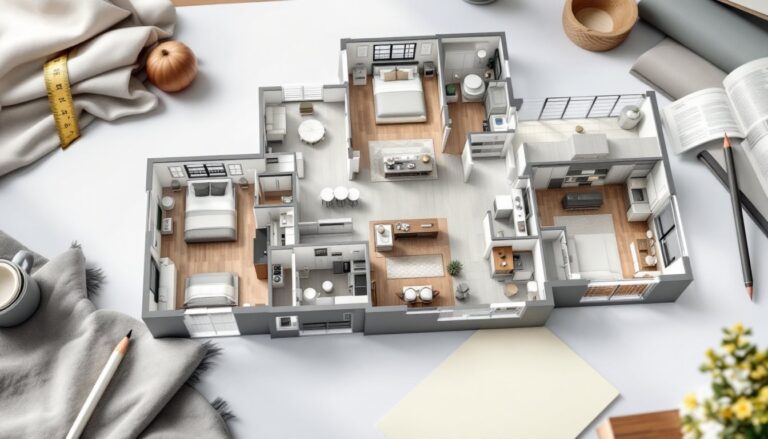
First, get physical dimensions straight. A 10×10 room gives you 100 square feet of floor space, but deduct for closets, doors, and wall thickness. You’re realistically working with 85–95 usable square feet. That matters when you’re deciding if a queen bed or full-size works better.
Measure the actual room before buying anything. Check ceiling height (standard is 8 feet, but varies), note where outlets and light switches sit, and identify which walls get natural light. Walk the room and note traffic patterns, your path from the door to the closet shouldn’t require stepping over the bed. Sunlight direction affects both furniture placement and your choice of paint color or window treatments.
Furniture Placement Strategies
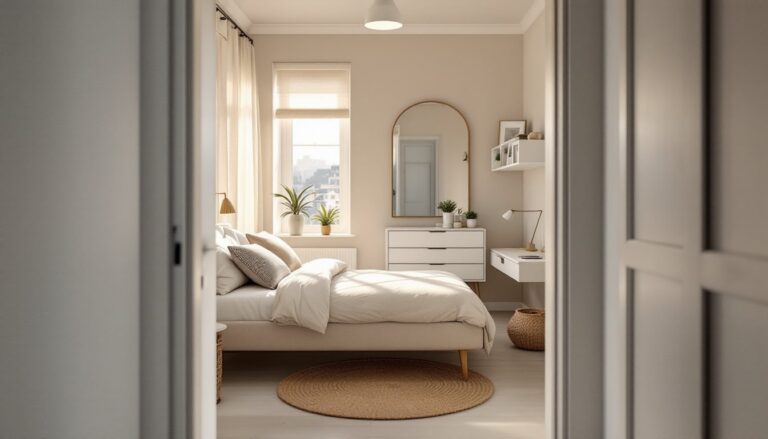
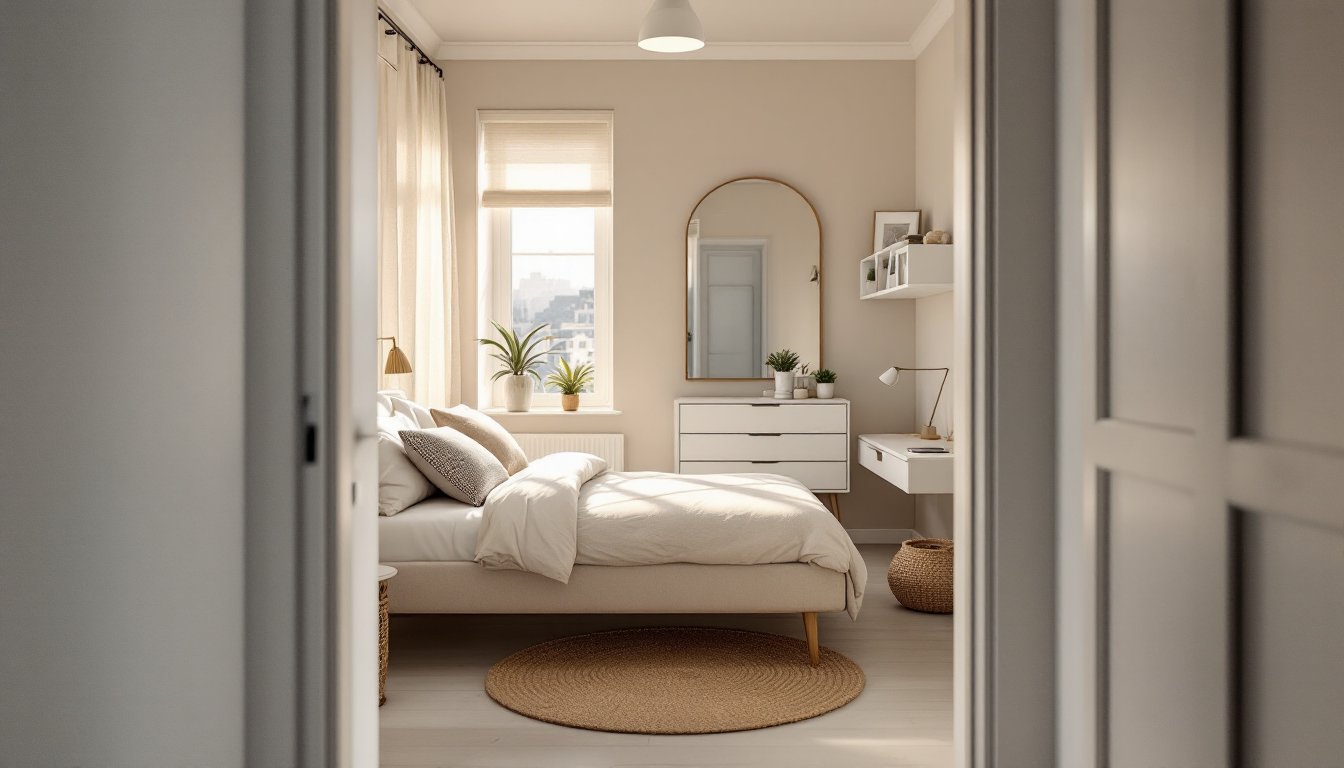
The bed is almost always the anchor. In a 10×10 space, position it against the longest wall, typically opposite the entry door. This maximizes the visual sense of depth and keeps the room from feeling chopped up. A queen bed (60″W × 80″L) fits comfortably if it’s the dominant piece: a full (54″W × 75″L) or twin leaves room for additional seating or workspace.
Keep traffic paths clear. Arrange other furniture, dresser, nightstand, desk, along walls, not floating in the middle. A floating layout wastes floor space and makes the room harder to navigate. Group pieces in zones: a sleeping zone (bed + nightstand), a dressing zone (dresser + mirror), and a work/study zone if you have room. This creates visual organization without clutter.
Use corner space efficiently. Corners trap dead air and wasted square footage. A corner desk, reading nook, or tall, narrow shelving unit puts that area to work. Avoid filling corners with large boxes or bulky furniture that creates visual weight and shrinks the perceived size of the room.
Essential Furniture For A Compact Bedroom
Choosing The Right Bed Size And Style
Bed choice is the biggest decision because it sets the scale for everything else. A queen bed is popular but takes up 60 inches of width. If your 10×10 room is already tight or you want walking space, a full-size bed (54″ wide) or twin (38″ wide) gives you breathing room. Twin beds suit kids’ rooms, guest rooms, or narrow bedrooms: don’t dismiss them for adult spaces if your layout demands it.
Platform beds or beds with storage drawers underneath maximize utility in small rooms. They eliminate the need for a separate foundation and create hidden storage for seasonal bedding or rarely used items. Avoid massive headboards, opt for a simple, thin design or a floating shelf behind the bed instead. A chunky upholstered headboard eats visual space and often goes unused.
Beyond the bed, prioritize a small nightstand (a narrow 18–24 inch table or a floating shelf) and one dresser that pulls double duty as a surface for a mirror and personal items. Avoid a bedroom dresser that matches “the set”, instead, choose one piece that fits your space and style. A sleek 3-drawer dresser or a tall, skinny 4-drawer unit works better than a sprawling 6-drawer chest in a 10×10 room.
If you want additional seating, a small bench at the foot of the bed, a pouf, or a single accent chair (if space permits) adds function without bulk. Skip the loveseat or full armchair, they’re rarely used in a bedroom and consume precious square footage. A good wall-mounted shelf above the bed or beside it adds personality and storage without eating floor space. These practical pieces work harder than decorative nightstands or tables that serve no purpose.
Storage Solutions That Don’t Sacrifice Style
Storage makes or breaks a small bedroom. A 10×10 space has limited closet real estate, so you’ll need creative solutions beyond the built-in closet. Vertical storage is your best friend, wall-mounted shelving, floating shelves, and tall, narrow units draw the eye upward and use wall space that would otherwise sit empty.
Floating shelves above the dresser, desk, or along one wall create display and storage without visual weight. They’re perfect for books, small plants, framed photos, and decorative objects. Pair them with woven baskets to corral smaller items and keep the shelf edges clean. Baskets break up monotony and hide the visual clutter that would make a small room feel cramped.
Consider a wall-mounted desk with storage cubbies above it if you need a workspace. This setup handles studying, remote work, or hobby space without requiring floor space. A ladder-style shelf leaning against a wall adds storage and a rustic, intentional aesthetic, especially useful in corners.
In the closet itself, install a second rail if there’s vertical space, use slim velvet or plastic hangers to save width, and add shelf dividers to keep stacks neat. Pull-out drawers or rolling carts under the bed store off-season clothes, extra blankets, or shoes without eating floor space. Under-bed storage containers are essential in small rooms: opt for low-profile, labeled bins so you can find items quickly.
Wall hooks and pegboards near the entry hold bags, hats, or scarves. These cost almost nothing and eliminate the need for a coat rack or stand that takes up floor space. Homedit and similar design platforms showcase clever storage hacks for compact bedrooms, vertical pegboards, over-door organizers, and wall-mounted racks that transform dead space into functional storage.
Color, Lighting, And Decor Tricks To Expand Your Space
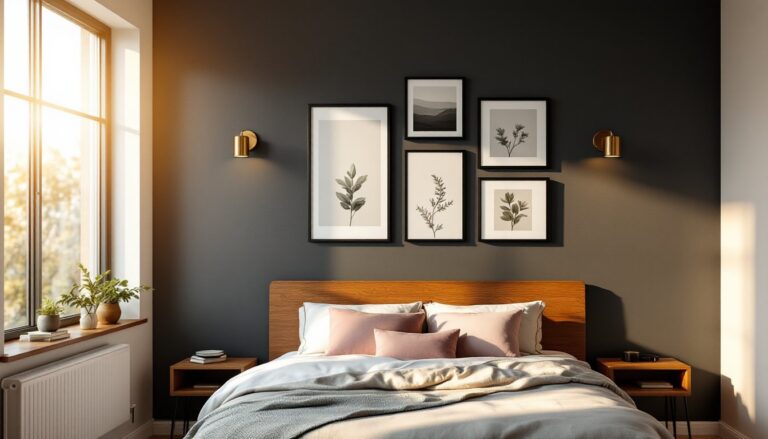
Color choices dramatically affect how a small room feels. Light, neutral walls (soft whites, warm grays, pale beige) reflect light and create an airy backdrop. If you want personality, paint one accent wall a deeper tone or add color through bedding, art, and textiles instead. This lets you change the mood without overwhelming the space.
Mirrors are a classic trick for small rooms, they bounce light and create the illusion of depth. A large mirror opposite a window amplifies natural light: even a smaller mirror beside a dresser or on a wall helps. Avoid covering a whole wall with mirror, which can feel jarring, but one well-placed mirror works wonders.
Lighting separates a cramped, dim bedroom from one that feels open and inviting. A single overhead light rarely cuts it. Layer your lighting: a soft ceiling fixture for general illumination, reading lamps on nightstands, and a small desk lamp if you have workspace. Warm-white bulbs (around 2700K) create a cozy vibe, while cool-white (4000K) suits workspace areas. Dimmable bulbs give you flexibility.
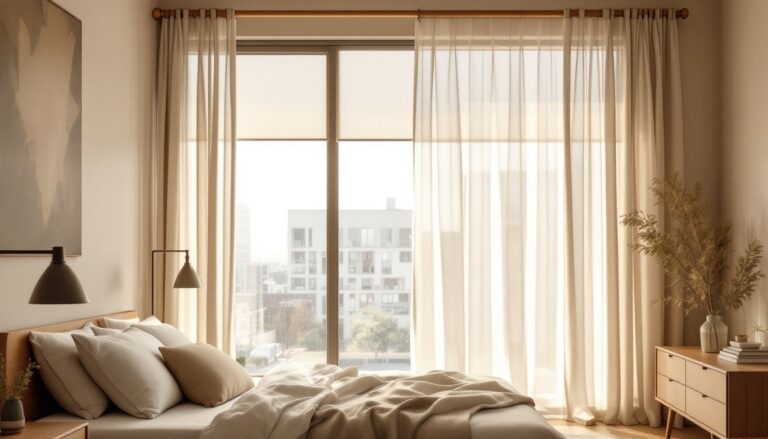
Window treatments matter too. Sheer curtains allow light in while maintaining privacy: heavy, dark curtains close off a small room. If you need blackout capability for sleep, use a sheer undercurtain with a heavier panel you can close at night. Lightweight linen or cotton curtains feel less oppressive than thick velvet in tight quarters.
Decor should serve a purpose. A few quality art pieces or a simple gallery wall beat a clutter of small items. MyDomaine offers interior design tips for styling small spaces with intention, choose statement pieces over many small decorations. Plants add life and improve air quality without taking up much space: a small potted plant on a shelf or hanging planter near a window works perfectly.
Avoid visual busy-ness. Patterns and busy prints can make a small room feel chaotic: if you love pattern, use it on one textured element, throw pillows, a rug, or wall art, and keep the rest simple. A neutral, clutter-free room with one or two bold accents feels larger and more intentional than one packed with decorative trinkets. House Beautiful’s paint color guides provide inspiration for choosing palettes that expand small spaces and set the right mood for rest and relaxation.