Table of Contents
ToggleSmall bathrooms don’t have to feel cramped or dated. Whether you’re working with a galley-style powder room or a compact ensuite, smart design choices can transform the space into something functional and beautiful. In 2026, bathroom design trends lean toward maximizing every inch while creating a personal retreat, and the good news is you don’t need a major renovation to pull it off. From vertical storage solutions to lighting that opens up the room, this guide covers practical ideas you can carry out, whether you’re tackling a weekend refresh or planning a more substantial remodel.
Key Takeaways
- Maximize vertical space with wall-mounted cabinets, floating shelves, and tall storage units to make small bathrooms feel larger without sacrificing functionality in your bathroom design idea.
- Layered lighting—task lighting at the vanity, ambient ceiling fixtures, and subtle accent lights—transforms a cramped bathroom by eliminating shadows and creating an inviting atmosphere.
- Light neutrals and soft colors like pale grays and warm beiges reflect light and expand visual space, while accent colors (deep blues, forest greens, muted terracottas) work best on focal points covering 30 percent or less of walls.
- Budget-friendly updates like fresh paint, larger mirrors, new vanity sconces, and hardware swaps deliver high-impact transformations for $100 to $500 without requiring contractor work.
- Choose durable, timeless fixtures such as single-hole faucets, frameless glass shower enclosures, and undermount sinks that balance aesthetics with low-maintenance practicality.
- Start with affordable improvements now—paint, lighting, and accessories—then plan larger renovations like vanity or tile work as your budget allows.
Optimize Vertical Space for Storage and Visual Impact
In a small bathroom, floor space is precious. The solution? Build up, not out. Wall-mounted cabinets, floating shelves, and tall, narrow storage units draw the eye upward and free up floor real estate, making the room feel larger than it actually is.
Consider a floor-to-ceiling vanity cabinet or tower unit positioned in a corner. These cabinets typically run 12 to 18 inches deep and 20 to 30 inches wide, leaving clear sight lines across the room. A wall-mounted toilet with concealed plumbing (requires professional installation) shaves several inches off the visual footprint and creates space beneath for a small shelving unit or towel bar.
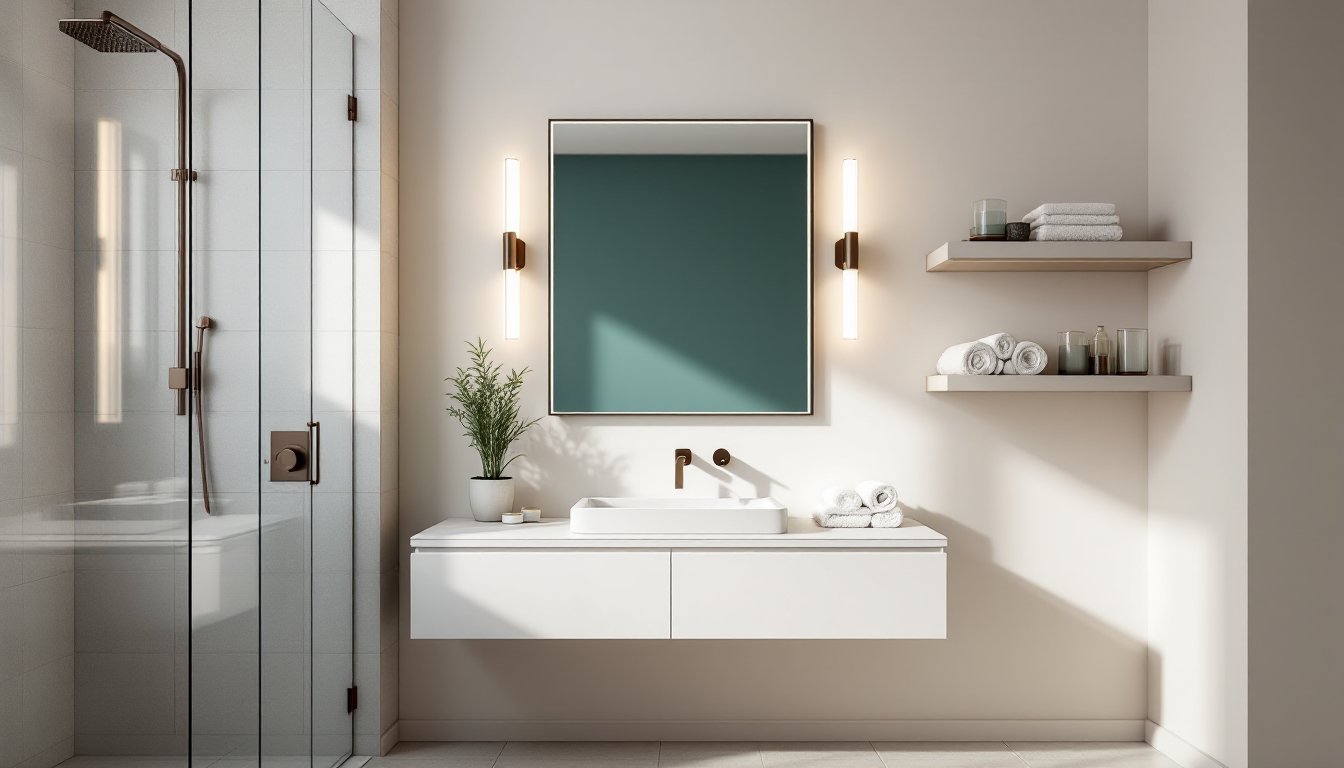
Shelving is a simple DIY win. Install floating shelves at 12 to 18 inches apart using quality brackets rated for moisture and your anticipated load. Keep items visible but organized: rolled towels, a small plant, and decorative containers work better than cluttered surfaces. Open shelving reflects light and prevents the “boxes on the wall” effect that closed cabinets create.
A corner caddy or over-the-toilet shelving unit grabs unused vertical real estate without a single wall hole. If your toilet flange is standard (3 inches), these units install quickly. The trade-off is they can feel cramped if overdone, so resist the urge to fill every gap.
Color Palettes and Lighting That Transform Your Bathroom
Choosing the Right Color Scheme
Color sets the mood in a small space and can either expand it visually or shrink it further. Light neutrals, soft whites, pale grays, and warm beiges, reflect light and create an airy feel. White tile and pale walls remain timeless because they work, not because they’re boring.
That said, accent colors work beautifully in small bathrooms when used strategically. A single painted wall (often behind the vanity or toilet), dark grout in tile, or jewel-tone tile on just the shower surround adds personality without overwhelming the space. Deep blues, forest greens, and muted terracottas are on trend in 2026. The key is keeping 60 to 70 percent of the walls light and reserving darker tones for small focal points.
Consider your lighting before committing to color. A pale blue looks entirely different under cool LED light versus warm incandescent. Buy sample pots of paint and observe them at different times of day. Bathroom humidity can also shift color perception slightly over time, so choose paint rated for high-moisture areas (bathroom-specific primers help adhesion).
Lighting Solutions for Functionality and Ambiance
Poor lighting makes any bathroom feel cramped and utilitarian. A single ceiling fixture leaves shadows around the vanity and doesn’t flatter anyone. The solution is layered lighting: task, ambient, and accent.
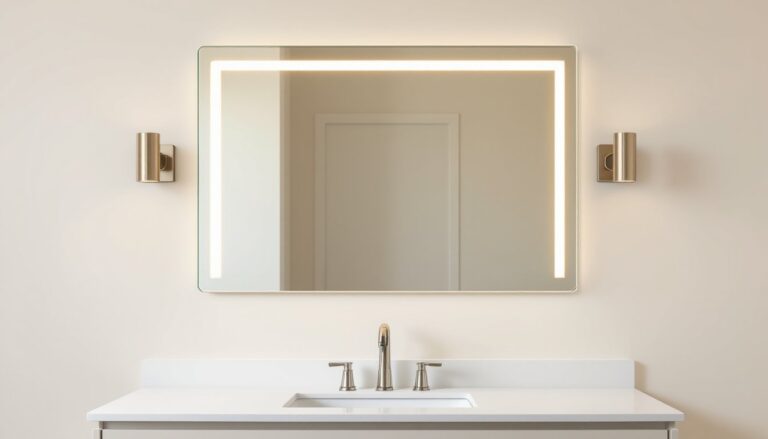
Task lighting at the vanity is non-negotiable. Sconces flanking the mirror (positioned at eye level, roughly 60 to 65 inches from the floor) eliminate shadows and provide even illumination for grooming. LED vanity lights with a color temperature of 3000K to 4000K mimic natural light without the harshness of pure white. Avoid single overhead pendants directly above the mirror: they cast shadows under the eyes.
Ambient lighting fills the rest of the room. A recessed light or small flush-mount ceiling fixture works in tight quarters. LED options consume a fraction of the energy and run cool, reducing bathroom humidity loads slightly. Install dimmable switches so you can adjust brightness for different times of day and moods.
Accent lighting, subtle strips behind floating shelves or around the mirror frame, adds visual interest and makes the space feel larger. These don’t need to be bright: 2700K warm LEDs create a spa-like quality. Retailers like 75 Bathroom Ideas You’ll showcase how lighting transforms mood and perceived space.
Fixtures and Finishes: Practical Choices for Everyday Use
Small bathrooms magnify every fixture you choose, so pick durable, functional hardware and finishes that work hard. Chrome, brushed nickel, and matte black are durable and timeless. Avoid ultra-trendy finishes unless you’re prepared to replace them in a few years.
Faucets and trim: A single-hole or wall-mounted faucet saves counter space compared to a widespread model. Wall-mounted faucets require running supply lines through the wall, a task best left to a licensed plumber. Waterfall-style spouts look elegant but collect debris: single-spray designs are more practical. Opt for a faucet with a rated flow of 1.5 GPM (gallons per minute) or lower to reduce water waste and help with municipal restrictions in some areas.
Showers and tubs: A walk-in shower without a tub maximizes floor space, especially if the door swings outward or slides along a track. Corner showers use dead space efficiently. If you need a tub, a 60-inch soaking tub is standard: a 54-inch is possible in tighter spaces but less forgiving. Frameless glass enclosures make showers feel larger than framed alternatives with visible hardware. They do require more frequent cleaning (limescale shows immediately), so factor maintenance into your decision.
Vanity tops: Undermount sinks below solid countertops are easier to clean than drop-in bowls and feel more spacious because you see the countertop surface. Quartz or solid-surface materials are durable and require minimal sealing. Thin countertops (under 1.5 inches) look leaner in tight spaces. Vessel sinks, bowls sitting atop the counter, are trendy but require taller faucets and take up visual space: save them for larger bathrooms. Home renovation guides on design and materials can help you compare options before purchasing.
Budget-Friendly Updates You Can Tackle This Weekend
Not every improvement requires a contractor. Simple, high-impact updates cost $100 to $500 and transform the space noticeably.
Paint and caulk: Fresh paint is the cheapest refresh. Use a semi-gloss or satin finish bathroom paint (better moisture resistance than flat) in a light neutral or pale accent color. Caulk all corners, seams, and tile grout lines with a mildew-resistant formula. Re-caulk alone can make a tired bathroom feel clean without spending much. Allow proper drying time (check the label: most require 24 to 48 hours before moisture exposure).
Mirrors and lighting: Replacing a builder-grade medicine cabinet mirror with a larger frameless mirror or a framed option that suits your style opens the space immediately. Pair it with new vanity sconces ($40 to $150 per fixture from big-box retailers). The labor is mostly fishing wires through walls, a manageable DIY task if you follow the wiring diagram and turn off the correct circuit breaker.
Hardware and accessories: Swap out old cabinet knobs, towel bars, and toilet paper holders for finishes matching your other fixtures. A cohesive look costs little but feels intentional. Shelving, baskets, and towel racks create the impression of organization and design.
Tile accents: If your current tile is neutral and intact, introduce color and pattern with a small accent wall, floor border, or peel-and-stick tile decals designed for moisture-prone areas. These aren’t permanent solutions but cost $20 to $100 and require no grout work. Test one section to ensure it adheres properly in your bathroom’s humidity levels. Resources like Remodelista provide curated design ideas and product suggestions when you’re ready to invest more seriously.
Grout refresh: Scrub existing grout with a stiff brush and mild bleach solution, then reseal it. Discolored grout makes tile look tired: a fresh seal restores cleanliness. Regrouting tile (removing and replacing grout entirely) is more involved and usually worth hiring a pro, but staining existing grout is a middle-ground DIY option.
Conclusion
Small bathroom design in 2026 isn’t about wishful thinking or Instagram aesthetics, it’s about smart choices that expand the feel of the space and improve daily function. Vertical storage, layered lighting, neutral palettes with accent color, and durable fixtures form the foundation. Start with the updates you can afford now (paint, lighting, hardware), then plan larger changes (vanity, shower, tile) as your budget allows. The best bathroom design is one you’ll enjoy using every single day.