Table of Contents
ToggleDesigning a bedroom for your daughter is about balancing what she loves today with space that adapts as she grows. Whether she’s five or fifteen, the goal isn’t to create a Pinterest-perfect room, it’s to build a functional, personalized space where she feels comfortable studying, sleeping, and relaxing. This guide walks you through the practical decisions that matter: choosing colors that work across age shifts, selecting durable furniture, organizing clutter smartly, and adding personal touches without breaking the budget. You’ll learn how to avoid costly mistakes and create a room that actually serves her needs.
Key Takeaways
- Bedroom design for girls works best with neutral base walls and colorful, changeable elements like bedding and art that adapt as she grows.
- Invest in durable furniture like solid wood bed frames and quality pieces that earn their space, avoiding oversized statement items that need replacing in years.
- Smart storage solutions—including vertical shelving, under-bed containers, and closet organization—separate a functional room from chaos and teach lasting organizational habits.
- Layered lighting with task lamps, dimmers, and ambient options creates versatility for studying, relaxing, and sleeping without harsh institutional feel.
- Personal touches through wall art, textiles, and displays of her interests transform a generic space into one that reflects her personality.
- Budget-friendly updates like quality paint, thrifted furniture refinishing, and DIY gallery walls deliver impact without major expense.
Start With A Color Palette That Sets The Mood
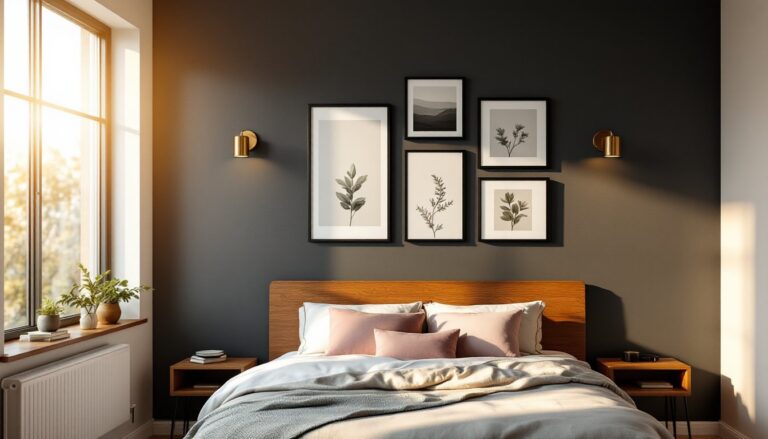
Color choice matters more than most people realize, it sets the emotional tone and can make or break a room’s longevity. Bright pinks, purples, and teals are popular for younger girls, but they date quickly and can feel overwhelming in a small space. A smarter approach is to choose a neutral base wall color (soft whites, warm grays, or pale greens) and layer in brighter tones through easily changeable elements like bedding, wall art, and accent furniture.
Neutral bases also make the room feel larger and give you flexibility when design preferences shift. Light colors reflect natural light, which keeps the space airy and reduces the need for artificial lighting during the day. If your daughter insists on a bold wall color, consider painting just one accent wall or using removable wallpaper, both let her change things without a full repaint when tastes evolve.
Your paint choice should be a quality interior latex (water-based) rather than cheap budget paint. Quality paint covers better, resists scuffs, and is easier to touch up. For a girl’s bedroom, a satin or soft-sheen finish works better than matte because it’s more washable, useful for walls that collect fingerprints and marks. Primer matters too, especially if you’re covering darker colors: a good primer-in-one product saves a step, though separate primer and paint generally perform better.
Choosing Furniture That Balances Style And Function
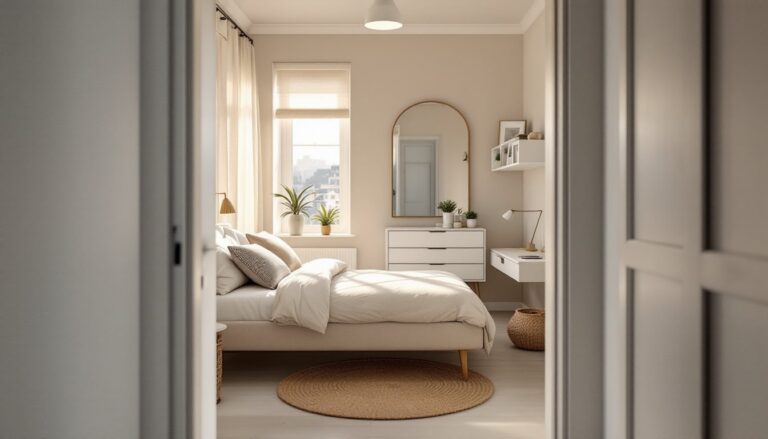
Furniture should earn its space by being useful and built to last. A solid wood bed frame (not a flimsy metal one) handles years of jumping, sitting, and growing. Hardwoods like oak, maple, or poplar resist damage better than particleboard. Avoid oversized statement pieces that’ll need replacing in five years: stick to clean lines and neutral finishes that work across age ranges.
A quality bed is the anchor. Twin beds are standard for single rooms: a full-size bed (54 inches wide vs. 38 inches for a twin) gives more room if space allows. Metal frame beds are cheaper but squeak and rack over time. A simple wood or low-profile platform bed offers better durability. Mattress choice depends on budget and comfort, a mid-range coil or foam mattress runs $300–$600 and handles most situations.
Described as interior design inspiration sources, collections like MyDomaine often feature furniture arrangements that balance aesthetics with practical storage. Pair the bed with a low-profile dresser (useful for school years) and a desk for assignments or hobbies. A 4-drawer dresser is standard at 36–42 inches wide: it fits against most walls without crowding the room. For a desk, choose one that’s at least 48 inches wide and has 24–30 inches of depth, anything smaller feels cramped for schoolwork or creative projects.
Smart Storage Solutions For Every Age
Storage separates a functional room from a chaotic one. Kids accumulate books, toys, sports gear, and clothes fast, and a girl who’s organized young develops better habits. Start with vertical storage, tall bookcases, wall-mounted shelves, and under-bed storage containers maximize space in small bedrooms.
Under-bed drawers or wheeled storage bins are lifesavers. Standard twin bed height sits 16–20 inches off the floor, leaving room for a 12-inch-tall wheeled bin underneath, perfect for off-season clothes, extra bedding, or storage that hides clutter. Avoid loose storage bins: label them clearly or use transparent plastic so your daughter can find things without dumping everything out.
Closet organization prevents daily frustration. Install a second rod at child height (48–54 inches up) alongside the standard adult-height rod, or use expandable closet systems that grow with her. A simple wooden shelving unit in the closet adds folding space without major construction. Hooks on the back of the bedroom door hold bags, robes, and jackets and save closet real estate.
Bookcases do double duty for storage and decoration. A 5-shelf unit (36–48 inches wide) fits nearly any bedroom and holds books, keepsakes, and decorative items. Keep shelves from looking cluttered by mixing books upright with some horizontal stacking and small decorative objects. Storage that looks intentional rather than crammed reads as design, not desperation.
Lighting That Creates Ambiance And Serves A Purpose
Bedroom lighting needs versatility. Overhead fixtures alone feel harsh and institutional: task lighting makes the space livable. A bedside lamp is essential for reading or winding down at night. Look for a 15–25-watt dimmable LED bulb (or equivalent) in a fixture that doesn’t tip over easily, brass or sturdy ceramic bases beat flimsy plastic for stability and longevity.
Desk lighting prevents eye strain during assignments. A adjustable desk lamp with an LED bulb or fluorescent-equivalent output (white light in the 4000–5000K range) is better than dimmer warm light for close-up work. Position the light to the side of the desk to avoid shadows on the work surface.
String lights and decorative fixtures add personality without major installation. Fairy lights or LED strip lighting around a bed frame or shelf create ambiance without wiring. Battery-operated LED candles are a fire-safe alternative if your daughter likes the look of candlelight.
Don’t forget dimmers or a three-way switch if possible. The ability to adjust brightness from bright (assignments and cleaning) to low (bedtime and relaxation) transforms how the room feels at different times. Most bedrooms benefit from a mix of overhead ambient light, desk task lighting, and softer decorative elements. This layering approach gives your daughter control over mood without needing to completely redesign the space.
Personal Touches That Make It Her Space
The difference between a generic bedroom and one that reflects your daughter is the personal layer. Encourage her to choose wall art, photos, posters, or fabric hangings that matter to her, this might mean a few off-the-shelf prints or a curated collection of her own artwork and interests.
Wall decals and removable wallpaper let her customize without permanent commitment. Peel-and-stick wallpaper removes cleanly and works on most smooth surfaces: a standard roll covers about 50 square feet. This is especially useful for accent walls where a bold pattern adds visual interest without the undertaking of traditional wallpaper or paint.
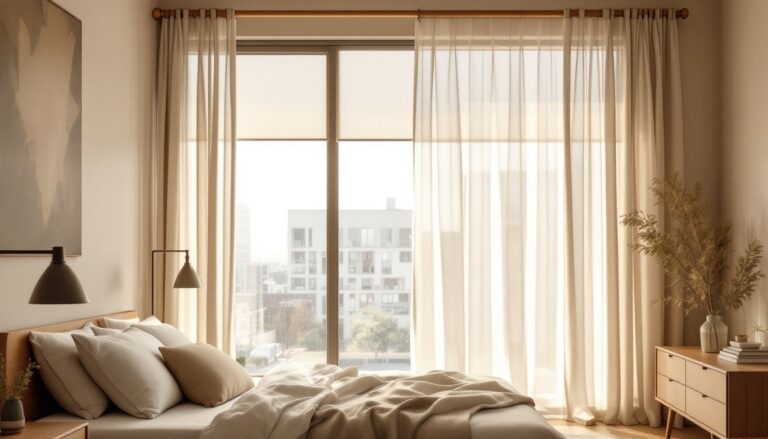
Textiles inject personality and warmth. A colorful duvet cover, patterned throw pillow, or textured rug are high-impact, low-cost changes. These can be swapped seasonally or when tastes shift. Layered bedding (sheet set, duvet, throw) costs $100–$300 depending on quality and feels better than a flat blanket.
Resources like 50 Best Girls Bedroom Ideas offer concrete inspiration for mixing personal style with timeless design. A bulletin board or pegboard above the desk creates a display area for inspiration, achievements, and photos without damage. If she’s crafty, a small shelving unit for displaying projects or collections celebrates her interests. The key is making space for what matters to her, whether that’s books, sports trophies, art supplies, or collectibles, and letting that dictate the room’s final personality.
Budget-Friendly Updates You Can Make Today
A full bedroom redesign costs money, but smart priorities stretch your budget. Paint is the biggest bang-for-your-buck, a gallon of quality interior paint covers roughly 350–400 square feet (two coats), and one gallon costs $25–$40. Rolling the walls yourself takes a weekend and no special skills beyond a steady hand.
Thrift store finds (dressers, nightstands, mirrors) are cheaper than new and have character. A $15 thrifted dresser plus $30 in sandpaper and refinishing stain becomes a showpiece. Homedit’s interior design ideas showcase affordable refreshes and budget hacks for bedroom spaces. Second-hand wood furniture also has environmental benefits, you’re reusing instead of fueling new production.
Swap bedding and textiles seasonally or when your budget allows. A new duvet cover ($30–$60) refreshes the look without buying new furniture. Throw pillows, a blanket, and a rug ($80–$150 total) layer comfort and visual interest. These are soft costs that feel luxurious but stay flexible.
DIY artwork saves money and adds meaning. A gallery wall of prints (mixed framed art, some purchased, some printed at home on cardstock or photo paper) costs $40–$100 and reflects her interests better than any decorator’s pick. Floating shelves installed with basic wall anchors (not studs) hold decor and cost $15–$30 per shelf unit including brackets.
Start with what you can do yourself, painting, organizing, textile swaps, and invest in one or two solid furniture pieces when budget allows. A quality bed and dresser last through multiple room redesigns: cheaper temporary solutions create false economy.
Conclusion
A thoughtful bedroom design respects your daughter’s input while building in flexibility for growth. Neutral foundations, durable furniture, smart storage, and layered lighting give you a solid framework. Personal touches, her art, colors, and interests, make it hers. The rooms that work best aren’t the most expensive: they’re the ones built on practical decisions that let her comfort and personality shine through.