Table of Contents
ToggleIf you’re shopping for home security in 2026, you’ve probably heard about ADT Smart Home. The system has evolved significantly from the old-school alarm boxes of decades past. Today, ADT Smart Home combines 24/7 professional monitoring, mobile app control, and integration with popular smart home devices, all designed to give homeowners real peace of mind. Whether you’re protecting a modest apartment or a sprawling house, understanding what ADT offers and how it stacks up against other options is the first step toward making an well-informed choice. This guide walks you through the features, setup process, pricing, and whether ADT Smart Home is the right fit for your household.
Key Takeaways
- ADT Smart Home combines 24/7 professional monitoring with modern smart home technology, offering live operator response and human verification to reduce false alarms.
- The mobile app enables remote control of your security system, smart locks, and cameras, plus geofencing automation that arms when everyone leaves and disarms upon arrival.
- ADT Smart Home pricing starts around $30–$50 monthly for professional monitoring, but factor in equipment costs ($30–$60 per sensor, $100–$250 for cameras) and installation fees ($100–$300) before comparing total cost.
- Installation flexibility ranges from professional setup to self-installation in 1–2 hours, allowing homeowners to choose based on comfort level and budget.
- ADT Smart Home is ideal for homeowners who prioritize 24/7 professional response and smart home ecosystem integration, though pure DIY systems offer lower monthly costs if you’re willing to forgo live monitoring.
What Makes ADT Smart Home Security Stand Out
ADT has been in the security game for over 150 years, but that heritage alone doesn’t tell the story. What sets ADT Smart Home apart is its integration of old-school professionalism with modern smart home technology. Unlike DIY systems that rely purely on app notifications, ADT still employs live monitoring centers staffed 24/7. If a sensor is triggered, trained professionals respond immediately, calling you, contacting emergency services, or both, depending on your settings.
The system also bridges the gap between security and convenience. You can monitor entry points, arm and disarm the system remotely, check live camera feeds, and receive real-time alerts, all from your phone. Unlike some competitors who nickel-and-dime you for features, ADT bundles professional monitoring and many smart integrations into core plans. Smart home contractors in your area might tout custom systems, but ADT’s plug-and-play approach means faster deployment and lower upfront labor costs for many homeowners.
Key Features and Technology
24/7 Professional Monitoring and Alerts
ADT Smart Home’s professional monitoring is a cornerstone feature. When a door or window sensor is triggered, glass break sensors detect intrusion attempts, or motion detectors pick up activity, the system sends an alert to ADT’s monitoring center. A trained operator receives the event within seconds and follows your predefined response plan. This human verification step matters, it reduces false alarms that tie up emergency resources and can save you from fines in some jurisdictions.
You set the rules: Do you want ADT to call you first before contacting police? Are you expecting a delivery and want to temporarily bypass the front door sensor? These decisions are yours to configure. The system logs all events, creating a historical record accessible via your mobile app. This detail is invaluable if you ever need to review what triggered at 2 AM or prove a break-in occurred during a specific window.
Mobile App Control and Smart Integrations
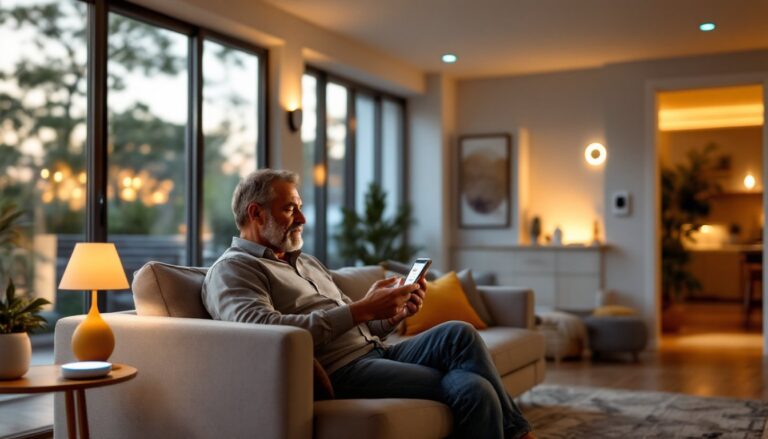
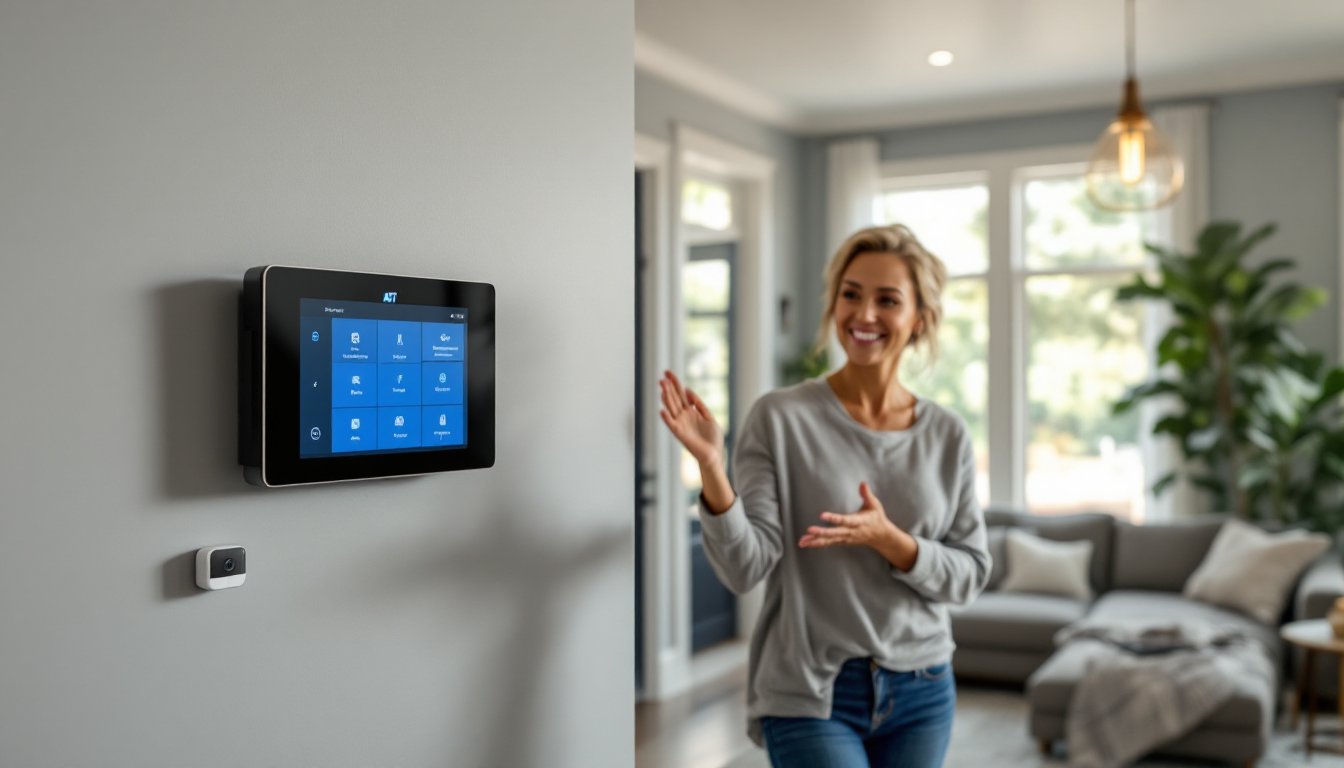
The ADT mobile app is where convenience meets control. You can arm/disarm the system, lock or unlock smart door locks, adjust thermostats, and view live camera feeds from anywhere with internet connectivity. Geofencing features let the system automatically arm when everyone leaves and disarm when the first person arrives home. No more fumbling for codes at the front door on a rainy night.
Integrations with Alexa, Google Assistant, and other smart home platforms mean your security system plays nicely with devices you may already own. Voice commands like “Alexa, arm ADT” work seamlessly on supported setups. Smart home integration doesn’t mean losing control, ADT allows you to decide which devices sync and which remain standalone. This flexibility is why best smart home devices often need a hub that coordinates everything, and ADT functions as that hub for security-minded households.
Installation and Setup Process
ADT offers three installation routes: professional installation, self-installation, or a hybrid approach. Professional installation means an ADT technician comes to your home, assesses entry points, mounts sensors optimally, runs wiring if needed, and configures your system. This takes a few hours and removes guesswork. You’ll pay more upfront, but the tech handles compliance with local codes and ensures sensor placement maximizes coverage.
Self-installation appeals to DIYers comfortable with basic mounting and app setup. ADT provides detailed instructions and telephone support. Door and window sensors use adhesive strips or small screws, no major carpentry required. The hub (the main control panel) plugs into power and your Wi-Fi router. Many homeowners complete self-install in 1-2 hours. If you’re uncertain about placement or wiring, smart home installation companies can handle it, though this adds cost beyond ADT’s self-install discount.
Once hardware is in place, the app guides you through configuration. You’ll create user accounts, set response preferences (call first, call police, send notification only), and test each sensor. Testing is critical, press the test button on door sensors, trigger motion detectors, and verify the app alerts work. Don’t skip this step. A security system that doesn’t alert you is just expensive window dressing.
Pricing and Plan Options
ADT Smart Home pricing varies based on what you choose and where you live. As of 2026, entry-level plans start around $30–$50 per month for professional monitoring plus basic sensors. This typically includes the hub and a few door/window sensors. Additional sensors (doors, windows, motion detectors) cost $30–$60 each to purchase outright or can be added monthly via subscription upgrades.
Camera equipment isn’t always bundled. Indoor cameras run $100–$200, outdoor cameras $150–$250, depending on resolution and features. Some plans include one free camera: others require separate purchase. Installation costs add another $100–$300 if you choose professional setup rather than DIY. Long-term contracts used to be standard but have loosened in recent years, many providers, including ADT, now offer month-to-month options, though contracts may offer discounts.
Don’t just compare monthly rates: factor in equipment costs, installation fees, and cancellation clauses. A plan that looks cheap at $25/month but requires $500 in equipment upfront isn’t always cheaper than a $50/month plan with bundled gear. ADT smart home cost estimates from competitors should include a full accounting of what’s included versus what you buy separately. Third-party reviews on sites like Digital Trends and CNET often break down real-world pricing scenarios so you can compare fairly.
Is ADT Smart Home Right for Your Family
The answer depends on your priorities, technical comfort level, and budget. If you value professional 24/7 monitoring and live in an area with reliable emergency response, ADT makes sense. Homeowners who travel frequently, work long hours, or have rental properties often appreciate the hands-off monitoring, you don’t have to decide whether to call 911 yourself at 3 AM.
If cost is your primary concern, pure DIY systems (no professional monitoring) are cheaper monthly but shift all decision-making to you. You’ll rely on app notifications and your own judgment. This works for some households but introduces risk and stress others won’t tolerate. Renters should confirm landlord approval before installing hardwired equipment: ADT’s adhesive sensor option reduces that friction.
For tech-savvy households already invested in smart home ecosystems, voice assistants, smart locks, connected thermostats, smart home system installation platforms like ADT provide a natural central point. You’re not buying an isolated security box but a hub that coordinates multiple devices. Conversely, if you want minimal complexity and a dedicated security system with no ecosystem aspirations, simpler providers might fit better.
Consider your neighborhood crime rates, home size, and risk tolerance. A single-story apartment with one entry benefits differently than a two-story house with multiple doors and windows. Tom’s Guide provides comparative analysis of ADT against competitors, which helps you weigh features against alternatives. Most decisions come down to whether you prioritize professional response, affordability, or smart home ecosystem integration, and ADT’s strength is the first category combined with the third. If that matches your priorities, it’s worth serious consideration.
Making Your Decision
ADT Smart Home delivers solid professional monitoring wrapped in modern smart home tech. It’s not the cheapest option, but it bridges the gap between legacy security and contemporary convenience. Before signing, confirm equipment costs, ask about promotional pricing, and verify what’s included in your monthly fee. Test the app and mobile features during any trial period. Your security system is only as good as your comfort using it, so choose one that feels intuitive and trustworthy for your household’s specific needs.