Table of Contents
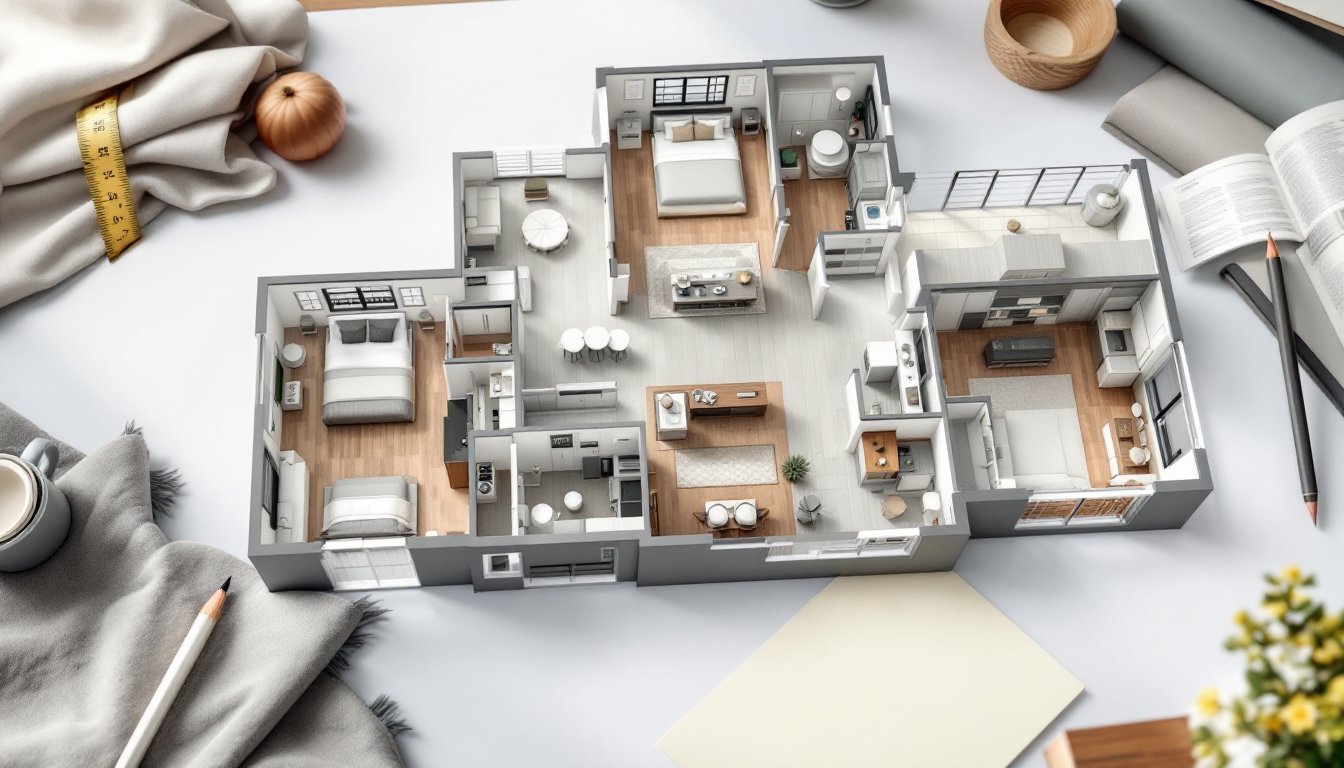
ToggleDesigning a five-bedroom home requires more than just adding extra bedrooms, it demands thoughtful planning of flow, storage, and livability. Whether you’re building from scratch, renovating an existing space, or shopping for your next home, understanding how a five-bedroom layout works is essential. Modern families need flexible spaces that adapt to remote work, guest visits, and growing children’s needs. This guide walks you through the practical decisions that transform a large floor plan into a genuinely functional home, covering everything from master suite placement to storage solutions that keep chaos at bay.
Key Takeaways
- A five-bedroom house design requires efficient floor planning with minimal hallways, proper bedroom egress windows for safety, and strategic placement of the master suite away from secondary bedrooms for privacy.
- Secondary bedrooms should measure at least 10 by 10 feet with access to full bathrooms, while master suites need a minimum 12 by 15 feet with ensuite bathrooms, walk-in closets, and secondary access points for optimal functionality.
- Kitchen and living space integration demands exceptional ventilation (900–1,200 CFM range hoods), strategic traffic flow away from bedrooms, and zoned living areas with a mudroom near the main entry to reduce clutter.
- Large five-bedroom homes require proportional storage solutions including generous closets (minimum 5 by 6 feet), walk-in pantries, dedicated linen closets, and hallway storage hubs to manage multi-resident clutter.
- Design cohesion across a five-bedroom house comes from consistent color palettes, matching flooring in hallways, coordinated trim and hardware, and flexible aging-in-place features like accessible hallway widths for long-term livability.
- Natural light placement, east-facing guest rooms, layered lighting with dimmers, and flexible spaces that adapt to remote work or hobbies ensure a five-bedroom house design meets modern family needs.
Understanding 5 Bedroom Home Layouts and Floor Plan Essentials
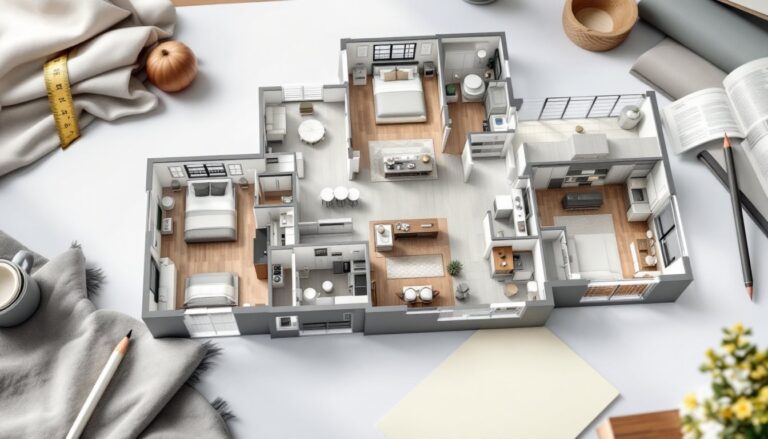
A five-bedroom house typically ranges from 2,500 to 3,500 square feet, depending on ceiling heights, hallway efficiency, and open-concept choices. The key is understanding how bedrooms relate to bathrooms, living areas, and service spaces like laundry and garage access.
Start by considering your household’s actual needs. A family of four might use five bedrooms for a master suite, three kids’ rooms, and a guest or office space. Empty nesters might prefer a master, guest suite, home office, hobby room, and one spare. The layout should reflect real life, not theoretical maximum capacity.
Hallway length matters more than most people think. Efficient floor plans minimize dead-end corridors and maximize usable square footage. A 2,800-square-foot home with tight, logical hallways feels bigger than a poorly organized 3,200-square-footer. Natural light is equally critical, positions bedrooms near windows where possible, and avoid creating interior bedrooms without external walls.
Building code requirements vary by jurisdiction, but the International Residential Code (IRC) mandates bedroom egress: each bedroom needs a window or door to outside large enough for emergency escape, typically a minimum of 5.7 square feet of opening area. This isn’t cosmetic: it’s a safety requirement that affects your floor plan decisions.
Master Suite Design and Placement Strategies
The master suite should be isolated from secondary bedrooms and ideally located away from the main living areas to buffer noise and provide privacy. A ground-floor master works well for aging-in-place flexibility, while second-floor placement maximizes privacy in open-concept homes.
Size matters here. A master bedroom typically measures 12 by 15 feet minimum (180 sq ft), though many modern homes allocate 14 by 16 feet or larger. The ensuite bathroom should be spacious enough for two vanities, a separate toilet compartment, and adequate ventilation to prevent moisture damage, critical in humid climates. A walk-in closet (8 by 8 feet minimum) beats a bedroom closet for functionality and resale value.
Consider the secondary access point: a door from the master to a hallway or lounge area, distinct from the bedroom entry, allows partners to move around without disturbing sleep. This is simple planning that dramatically improves daily living.
Designing Guest and Secondary Bedrooms
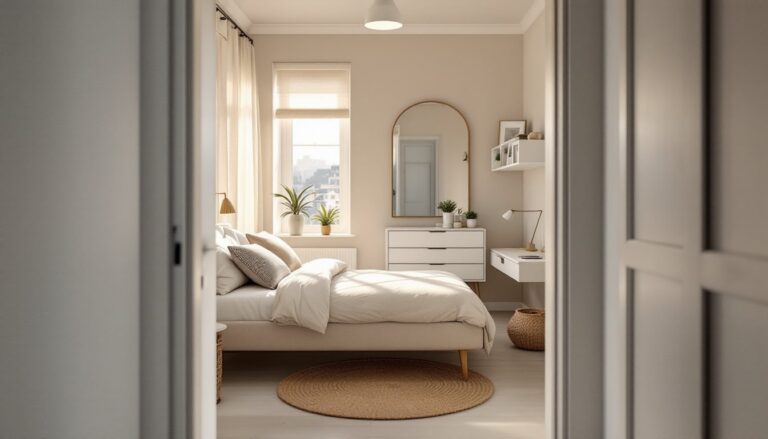
Secondary bedrooms should measure at least 10 by 10 feet to accommodate a full or queen bed, dresser, and basic movement. Don’t undersizes these spaces, cramped bedrooms feel claustrophobic and hurt resale appeal.
Guest rooms benefit from an ensuite or nearby full bath. If sharing a bath with other bedrooms, ensure privacy via a full door (never open to hallways) and sound-dampening insulation between rooms. Secondary bedrooms often double as offices or hobby rooms, so rough-in electrical outlets on multiple walls during construction, not just one.
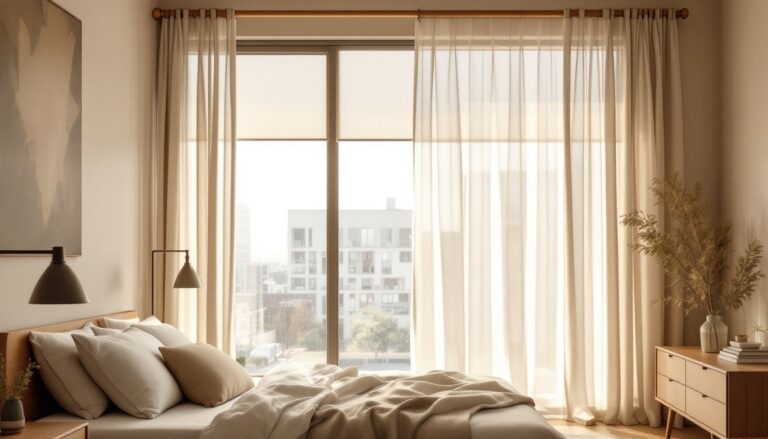
Window placement and views matter for secondary bedrooms too. East-facing windows bring morning light: west-facing windows suit guest rooms used mainly in evenings and weekends. North-facing rooms stay cooler in summer but may feel gloomy, consider this when planning color schemes.
Kitchen and Living Space Integration for Large Homes
In a five-bedroom home, the kitchen and main living areas anchor the entire layout. Open-plan designs work well if you’re organized about noise and cooking odors, but they demand exceptional ventilation. A properly sized range hood (900–1,200 CFM for most home kitchens) prevents grease and smells from traveling into bedrooms.
The kitchen should be positioned for traffic flow: close to the garage or main entry for grocery unloading, but not a through-passage to secondary bedrooms or bathrooms. Islands or peninsulas work well in larger kitchens (13 by 16 feet minimum) but create congestion in tight spaces. Pantries, either a walk-in or butler’s pantry, significantly reduce visible clutter and improve functionality.
Living areas in larger homes benefit from zoning. An open great room works, but consider defining seating, dining, and media zones with rugs, level changes, or partial walls rather than full divisions. This makes the space feel cohesive while allowing multiple activities without interference.
A mudroom or drop zone near the main entry is invaluable in a five-bedroom home. Built-in benches, hooks, and cubbies corral coats, backpacks, and shoes before they migrate to bedrooms. This single feature reduces clutter and stress significantly.
Storage Solutions and Functional Space Planning
Large homes fail when storage doesn’t scale proportionally. A five-bedroom house generates clutter from multiple residents, kids’ toys, seasonal items, hobby supplies, and guest linens all need homes.
During new construction or major renovation, build closets generously: minimum 5 by 6 feet for bedrooms (larger for secondary rooms used as offices), walk-in pantries (8 by 10 feet), and a dedicated linen closet (3 by 3 feet minimum) somewhere central. These rough-ins cost little during framing but are expensive to add later.
Hallway closets serve double duty as storage hubs. Position them strategically, one near the master bedroom for luggage and seasonal items, one near guest bedrooms, one between or behind the main living areas for holiday décor and entertaining supplies. Under-stair storage (if applicable) handles off-season sports equipment or rarely used appliances.
Laundry placement is surprisingly consequential. In a five-bedroom home with multiple residents, laundry rooms need counter space for folding, good ventilation for the dryer, and proximity to bedrooms without being in the main traffic pattern. A second half-bath near laundry prevents detours if someone’s muddy or wet.
Built-in shelving in bedrooms costs more upfront but eliminates furniture and maximizes usable floor space, especially in secondary or smaller rooms. Custom cabinetry in closets (rather than rod and shelf basics) adds modest cost during construction but substantially improves organization.
Interior Design Trends for Multi-Bedroom Homes
Modern five-bedroom homes lean toward functional minimalism with warm materials rather than maximalist décor. This approach works across bedrooms of different sizes and purposes without feeling fragmented.
Color flow matters at scale. Using a cohesive palette across common areas (wall color, flooring, trim) and then allowing personality in individual bedrooms prevents the home from feeling chaotic. Soft neutrals (warm grays, taupes, warm whites) work well for hallways and common spaces: bedrooms can be bolder without clashing.
Flooring continuity reduces visual fragmentation. Hardwood or high-quality wood-look vinyl in living, kitchen, and hallway areas, with carpet or area rugs in bedrooms, creates logical zones. Avoid carpeting hallways in favor of sealed concrete, polished wood, or tile, easier to clean and more durable in high-traffic areas.
Lighting design scales up in larger homes. Layered lighting (ambient ceiling fixtures, task lights at work surfaces, accent lighting) works in kitchens and living areas, while bedrooms benefit from dimmers and bedside control options. Consider zoned lighting on different circuits so one switch doesn’t control the entire floor.
Creating Cohesive Style Across Multiple Bedrooms
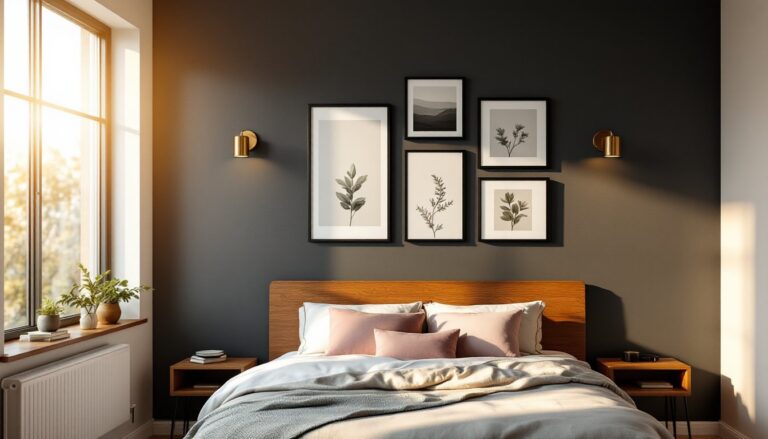
Multiple bedrooms shouldn’t feel like a patchwork. Establish a foundational design language: consistent trim profiles, door styles, and hardware finishes throughout. Then allow each room personality through wall color, window treatments, and furnishings.
Matching or coordinating carpet or flooring across secondary bedrooms creates visual continuity even though different color schemes. If bedrooms have ensuite bathrooms, echoing finishes between the bedroom and bath (similar tile, coordinating vanity finishes) reinforces cohesion.
Large homes benefit from a flexible design that accommodates aging-in-place or multigenerational use. Ground-floor bedrooms with ensuite bathrooms, accessible hallway widths (36 inches minimum, but 42 inches is more comfortable), and lever-handle hardware allow the home to adapt as needs change. Design for longevity, not just current fashion.