Table of Contents
ToggleBathroom cabinets aren’t just about stashing toiletries, they’re the backbone of both function and style in a space that gets heavy use multiple times a day. A well-designed bathroom cabinet layout can transform a cramped vanity into an organized, visually appealing hub while maximizing every inch of available space. Whether you’re planning a full gut renovation or giving your existing setup a refresh, the right cabinet design impacts everything from daily usability to resale appeal. This guide walks you through practical cabinet options, design styles, material choices, and budget-conscious upgrades that actually work in the real world.
Key Takeaways
- Bathroom cabinets design balances aesthetics, function, and durability to maximize storage and visual appeal in a high-moisture environment.
- Measure your space and layout constraints first—single vanities suit powder rooms while double vanities eliminate morning traffic jams in master baths.
- Choose moisture-resistant materials like water-resistant plywood or solid sealed wood, and always caulk gaps to prevent water damage and warping.
- Soft-close hinges, integrated LED lighting, and interior organizers like pull-out shelves transform basic cabinets into functional, comfortable spaces.
- Budget-friendly upgrades such as refinishing ($500–$2,000), swapping hardware ($100–$500), or replacing cabinet doors ($200–$800) deliver significant visual impact without full renovation costs.
Understanding Your Bathroom Cabinet Layout Options
Maximizing Vertical and Corner Space
Before you pick a style, nail down your actual layout constraints. Measure your vanity width, wall height from countertop to soffit or mirror, and account for plumbing and electrical lines that live behind or beneath the sink.
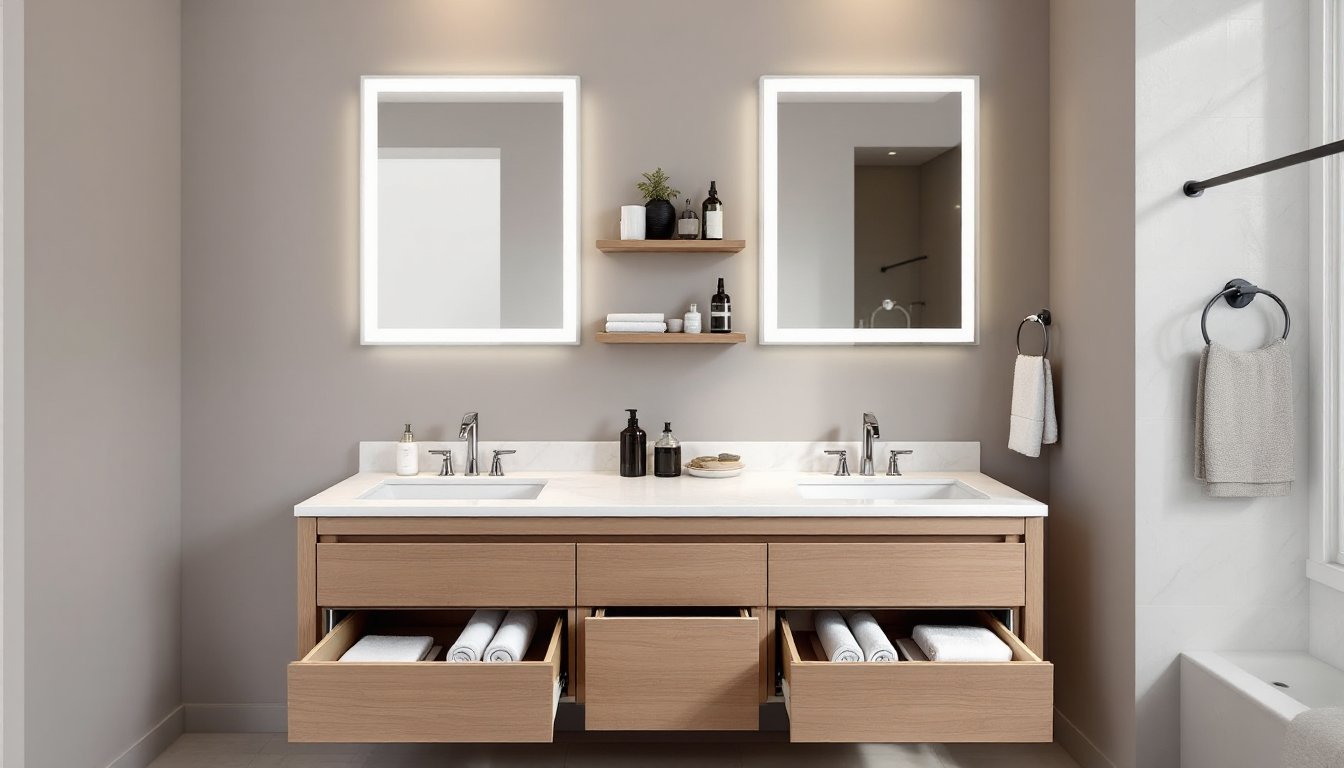
Single vanity cabinets (typically 30–48 inches wide) work for powder rooms and guest baths where one person uses the space at a time. Drawers below the sink offer pull-out storage that beats rummaging in a dark cabinet. Double vanities (60–72 inches) are standard in master baths with dual users: they eliminate the morning traffic jam and give each person dedicated counter and storage space.
Wall-mounted cabinets above the toilet or flanking the mirror add vertical storage without eating floor space, critical in smaller bathrooms. Just verify studs with a stud finder before drilling: drywall alone won’t hold loaded shelves. Floating vanities create an airy feel and make cleaning the floor easier, but they require solid blocking behind the drywall and adequate supply-line clearance.
Corner cabinets and open shelving leverage dead zones. Lazy Susan organizers or pull-out shelves inside deep cabinets prevent items from vanishing into the back. Recessed medicine cabinets fit into the wall cavity between studs (typically 14.5 inches wide), saving projection into a tight bathroom. Choosing the layout first prevents costly rework once you’ve committed to a cabinet style.
Popular Design Styles for Bathroom Cabinets
Your cabinet design sets the entire mood. Modern minimalist cabinets feature clean lines, handleless or recessed-grip doors, and neutral tones, white, gray, or natural oak. This style pairs well with chrome or matte-black hardware and works in spaces where you want visual calm. They’re easier to keep clean since there’s less surface area to trap dust.
Transitional designs blend traditional and contemporary elements: shaker-style cabinet doors (five-piece frame with recessed center panel) paired with understated hardware in brushed nickel or oil-rubbed bronze. This approach is forgiving if your bathroom connects to other rooms with mixed decor, it doesn’t scream any one era.
Rustic and farmhouse styles use reclaimed wood or wood-look finishes with visible grain, often paired with vintage-inspired hardware like cup pulls or bin handles. These require more maintenance (sealing, touch-ups) but deliver warmth in spaces that feel cold otherwise.
Spa-inspired designs emphasize calming palettes, soft greens, warm whites, and natural wood tones, along with texture (fluted cabinet doors, woven baskets). Open shelving with rolled towels and curated decorative items reinforce the retreat vibe, though you’ll need consistent styling discipline to avoid clutter.
Design inspiration abounds on sites showcasing bathroom cabinet styles, where you can filter by finish, layout, and budget to refine your vision.
Material Selection and Durability Considerations
Bathroom cabinets face constant moisture, temperature swings, and daily wear. Material choice directly affects longevity and maintenance.
Solid wood (maple, birch, oak) is durable and refinishable, but requires proper sealing, primer and quality paint or polyurethane, to resist moisture. Raw or poorly sealed wood swells and warps, especially around the sink. Expect higher upfront cost but long-term repairability.
Plywood or engineered wood with a veneer is lighter on the wallet and dimensionally stable if properly sealed. Budget cabinet lines often use melamine (plastic coating on particleboard), which is moisture-resistant but can’t be refinished and fails if the surface gets gouged.
Water-resistant or marine-grade plywood is worth the upgrade in a humid climate or a bath shared by multiple people. The glue and veneer resist swelling better than standard plywood.
MDF (medium-density fiberboard) is smooth and takes paint beautifully, but swells if water gets behind the finish. It’s common in affordable cabinets: if you go this route, ensure all edges and backs are sealed with paint or caulk.
Glazed or distressed finishes hide water spots and dust but trap moisture in crevices if not sealed underneath. High-gloss finishes show fingerprints constantly, practical only if you’re obsessive about wiping down your bathroom.
Regardless of material, caulk gaps at the top of the cabinet where it meets the wall and around the sink. This is the cheapest insurance against water damage. Quality home design resources often highlight how finish and sealing choices impact cabinet lifespan in moist environments.
Hardware, Lighting, and Functional Features
Hardware is jewelry for cabinets, small but visible. Pulls and knobs come in styles ranging from sleek stainless steel bar pulls (modern) to ornate brass cup pulls (traditional). Handleless designs use a gentle push-to-open mechanism or recessed grips: they’re trendy but won’t work if cabinet doors are too shallow or your hands are large. Measurement matters: pulls mounted too high or low feel awkward daily.
Soft-close hinges cost more upfront but eliminate slamming, reduce hardware wear, and prevent injuries, especially valuable with kids in the house. Slow-close drawers prevent you from jamming fingers or snapping contents.
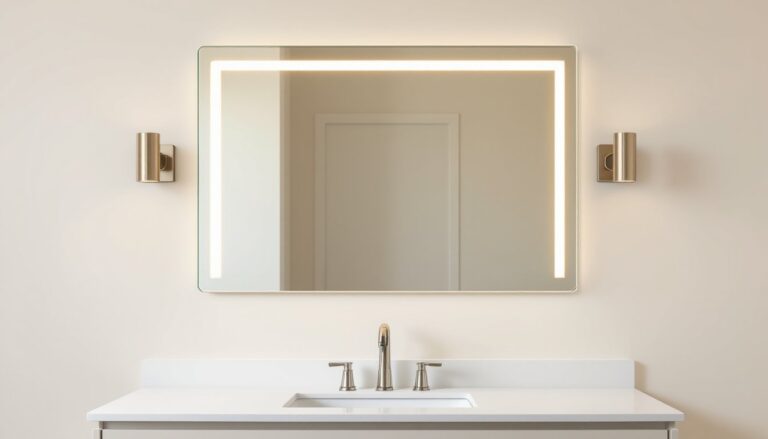
Integrated lighting under wall cabinets or inside mirrored cabinets improves task lighting for grooming and makes the space feel larger. LED strips are efficient and run cool: wire them to the mirror switch or a separate dimmer for ambiance. Ensure outlets are GFCI-protected (ground-fault circuit interrupter) within 6 feet of water per the National Electrical Code (NEC).
Interior organization, drawer dividers, pullout shelves, and spice-rack-style inserts for skincare, transforms a cabinet from storage tomb to functional oasis. Measure and plan these before ordering cabinets, as retrofit organizers rarely fit perfectly. Removable or adjustable shelves let you adapt as your needs change.
Ventilation considerations: If your cabinet encases the sink, ensure adequate airflow underneath to prevent mold and moisture buildup. Open-shelf designs naturally breathe. Exhaust fans mounted on the ceiling or wall pull humidity away before it settles on cabinetry.
Budget-Friendly Cabinet Upgrades and DIY Tips
A full cabinet replacement can run $3,000–$10,000+, depending on size and finish. If that’s not in the cards, targeted upgrades deliver big visual and functional impact.
Refinishing existing cabinets costs $500–$2,000 and is doable as a DIY project. Sand doors and frames with 120-grit sandpaper, fill any gaps with caulk, prime with bonding primer (essential for slick finishes), then paint with two coats of bathroom-grade paint (semi-gloss or satin to resist moisture). Remove doors and hardware first for cleaner results. Let primer cure 24 hours before painting.
Swapping hardware alone, pulls, knobs, hinges, costs $100–$500 and instantly refreshes the look. Drill new holes carefully: if old holes don’t align, fill them with wood filler, sand smooth, and patch with paint. Choose handles proportional to your door width: oversized pulls look awkward on narrow cabinet doors.
Adding open shelving or a floating shelf above the toilet ($150–$400 in materials) gains display space without cabinet bulk. Mount shelves on French cleats or heavy-duty brackets bolted to studs: avoid wall anchors alone in a moist environment, they fail over time.
Replacing cabinet doors ($200–$800 for a single vanity) is simpler than replacing the whole cabinet box. Measure your existing frame opening precisely, nominal versus actual dimensions vary by manufacturer. New doors simply hinge onto your existing cabinet, often requiring zero plumbing work.
Paint and hardware updates are the quickest wins: new caulk, fresh paint, and updated hardware can cost $100–$300 and look like a $2,000 upgrade if existing cabinetry is solid structurally. Real home renovation shows on major home design networks often demonstrate this principle, smart styling beats throwing money at every element.
Conclusion
Thoughtful bathroom cabinet design balances aesthetics, function, and durability. Start by measuring your space, identifying your layout constraints, and choosing a style that complements your home’s overall design language. Select moisture-resistant materials, seal properly, and invest in soft-close hardware for daily comfort. Even modest upgrades, refinishing, new hardware, or strategic shelving, refresh a bathroom without a full renovation. The key is honest assessment of what your bathroom needs, what your budget allows, and how much maintenance you’re willing to handle.