Table of Contents
ToggleYour bathroom is more than just a place to shower and brush your teeth, it’s a personal retreat where you start and end your day. Whether you’re planning a full renovation or a thoughtful refresh, choosing the right bathroom design style sets the tone for how that space functions and feels. In 2026, bathroom design trends are embracing everything from sleek minimalism to warm, nostalgic spaces. This guide walks you through seven popular bathroom design styles, each with specific material choices, color palettes, and practical tips so you can create a space that truly reflects who you are.
Key Takeaways
- Bathroom design styles range from modern minimalist and spa-inspired to farmhouse, industrial, coastal, and vintage aesthetics, each offering distinct material choices, color palettes, and practical applications.
- Modern minimalist bathrooms and industrial chic designs prioritize clean lines, hidden storage, and functional fixtures that eliminate visual clutter while maintaining sophisticated style.
- Spa-inspired wellness bathrooms emphasize relaxation through soft lighting, natural materials, radiant floor heating, and soothing color palettes like pale greens and warm grays.
- Farmhouse and coastal bathroom design styles incorporate natural warmth through shiplap, open shelving, vintage fixtures, and light wood accents that create approachable, lived-in spaces.
- Choosing the right bathroom design style requires considering your home’s architecture, lifestyle, maintenance tolerance, and personal joy—starting with inspiration gathering and prioritizing quality materials and proper ventilation.
Modern Minimalist Bathrooms
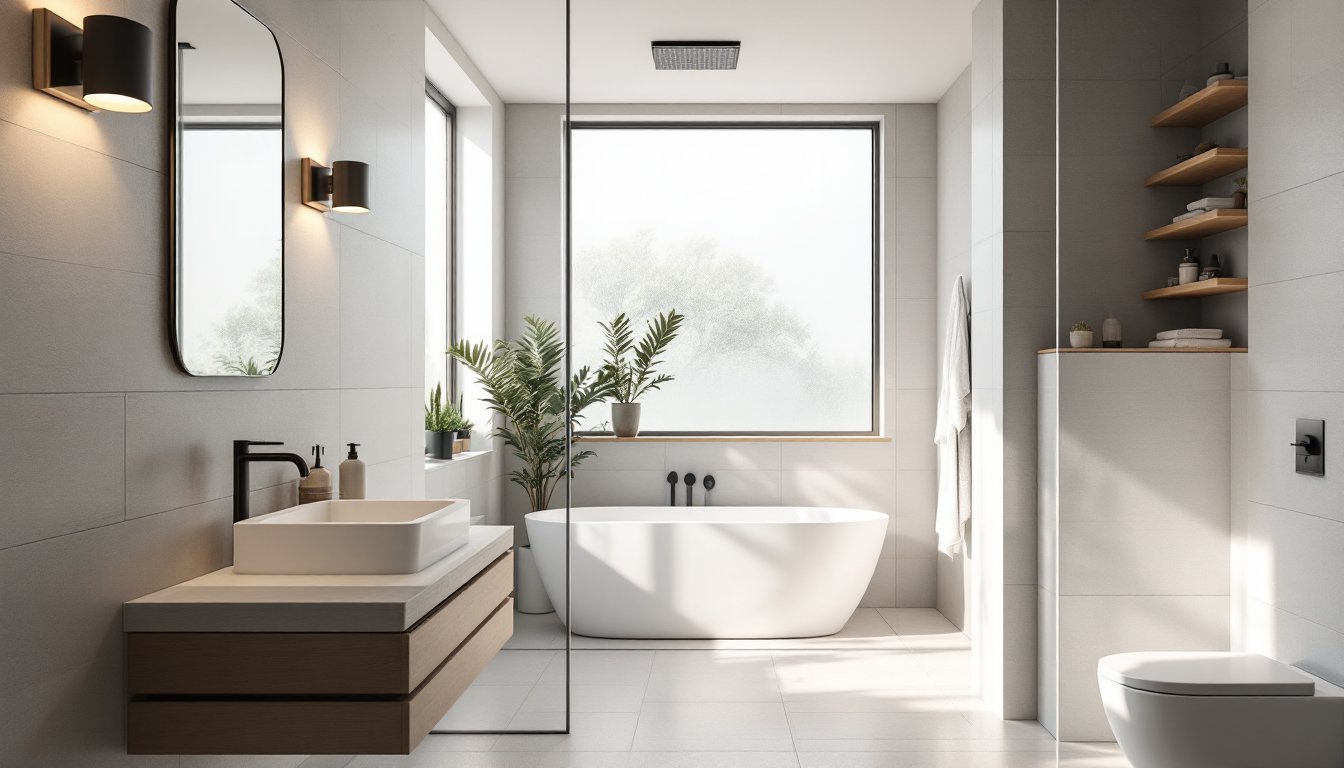
Modern minimalist bathrooms strip away excess and focus on clean lines, neutral palettes, and functional design. The goal is a calm, uncluttered sanctuary with every element earning its place.
Start with the color foundation: whites, soft grays, and muted earth tones dominate. Pair these with high-quality materials like polished concrete, light oak, or matte-finish tiles. For a minimalist feel, consider large-format ceramic or porcelain tiles (24″ × 48″ is common) that minimize grout lines and create a seamless look.
Key fixtures include a simple wall-mounted vanity with clean edges and no ornate hardware. Choose single-lever, chrome or matte-black faucets with minimal detailing. Lighting should be recessed or sleek surface-mounted, avoiding anything decorative. An open-shelf floating shelving unit works beautifully, just keep items minimal and intentional.
Storage is hidden: built-in medicine cabinets, toe-kick drawers, or full-height cabinetry with flat-panel doors keep everything out of sight. A frameless glass shower enclosure (no decorative trim) and a simple soaking tub are hallmarks of this style.
Spa-Inspired Wellness Bathrooms
A spa-inspired bathroom is designed for relaxation and self-care. Think soft lighting, natural materials, soothing colors, and elements that promote calm.
Color palettes lean toward soft whites, creams, pale greens, and warm grays. Large subway tiles, natural stone, and warm wood accents create a serene foundation. Incorporate heated towel racks, soaking tubs with surround jets, and rainfall showerheads for the full spa experience.
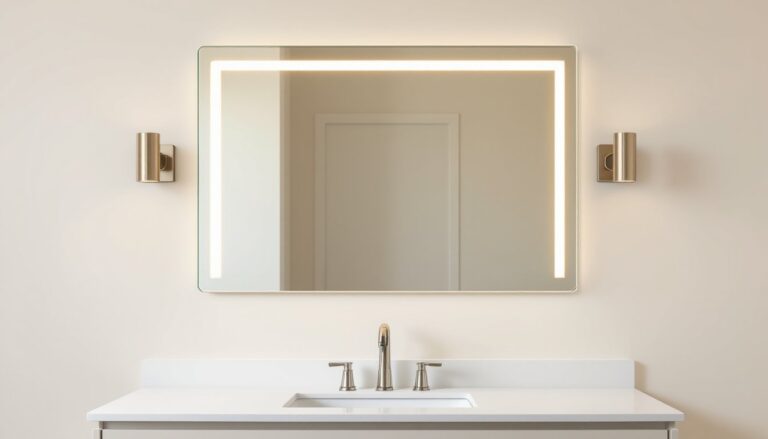
Lighting is critical: avoid harsh overhead lights in favor of dimmable, warm-toned LED fixtures. Sconces on either side of the mirror work well. Consider skylights or frosted windows if privacy allows, natural light enhances the wellness vibe.
Natural elements are essential. Potted plants, river stones as accents, and wood shelving bring nature indoors. A small water feature or tabletop fountain adds gentle sound. Soft linens, natural-fiber bath mats, and unscented or lightly scented candles complete the retreat.
Materials should feel warm underfoot: radiant floor heating under tile makes a huge difference. Stone, teak, or bamboo shelving and a solid wood or concrete vanity ground the space in natural luxury.
Farmhouse and Rustic Designs
Farmhouse bathrooms embrace warmth, aged charm, and a hint of countryside simplicity. This style blends function with vintage character.
Start with shiplap or reclaimed wood walls paired with subway tiles or penny tiles in soft white or cream. Open shelving with wicker baskets, vintage mirrors with distressed frames, and black metal fixtures are design anchors. Incorporate a salvaged wood vanity or vintage-style vanity with turned legs.
Color palettes feature warm whites, creams, soft pastels (pale blue or green), and warm wood tones. Lighting comes from Edison-style bulbs in farmhouse sconces or vintage pendant lights. A galvanized metal mirror frame or a large rectangular mirror with an ornate wooden frame adds authentic character.
Decor includes vintage glass jars for storage, an old wooden ladder for towel display, and open shelving to showcase folded linens. Hexagonal or subway tile in matte finishes work best. A clawfoot tub (or a modern soaking tub with vintage styling) becomes a focal point.
Key materials: galvanized metal hardware, bronze or oil-rubbed bronze fixtures, and solid wood wherever possible. The overall effect is approachable, lived-in, and warm, not sterile.
Industrial Chic Bathrooms
Industrial bathrooms celebrate raw materials, exposed elements, and an urban edge. Think concrete, steel, brick, and black metal.
Materials are the stars: polished concrete floors or walls, exposed brick, raw metal shelving, and steel pipes create an authentic industrial foundation. Large subway tiles in matte black or gray work well for shower surrounds. Pair rough textures with sleek finishes: a matte-black vessel sink with a polished chrome or steel faucet creates visual interest.
Color schemes stick to grays, blacks, warm whites, and natural wood tones. Lighting features industrial-style sconces with metal cages or vintage-style bare-bulb fixtures. Exposed pipes, whether functional or decorative, reinforce the aesthetic.
Vanities are often custom-built metal frames with reclaimed wood tops or concrete countertops. Open shelving in steel or metal holds minimal, functional items. A steam shower or large walk-in shower with black-framed glass enclosures fits the vibe.
Hardware is substantial: heavy-duty black, bronze, or brushed steel handles and fixtures. A vintage industrial mirror with a metal frame or a large windowpane mirror adds to the workspace feel. The style works best when every element, faucets, towel bars, shelving brackets, echoes that industrial vocabulary. This style requires intentionality: interior design trends show industrial designs growing in bathrooms because they’re timeless and functional.
Coastal and Nautical Styles
Coastal bathrooms evoke seaside calm: light, airy, and refreshing. Whether you live by the ocean or just dream of it, this style brings beach-house relaxation home.
Color palettes feature soft blues, sandy whites, pale greens, and warm grays. Subway tiles in white or soft blue, shiplap walls, and light wood form the core. Incorporate driftwood mirrors or frames, nautical-inspired hardware, and rope accents for character.
Materials feel natural: light wood shelving, woven baskets, and jute rope details. A weathered wood vanity or white-painted vanity with seeded glass knobs works beautifully. Flooring in light tile with a sandstone or limestone texture mimics beach sand.
Lighting should be soft and diffused: frosted sconces, pendant lights with linen shades, or a vintage brass fixture suit the vibe. Windows with sheer or linen curtains let light filter in naturally.
Decor includes coastal elements without overdoing it: seashells in glass jars, a small piece of driftwood, soft blue or seafoam towels, and a mirror with a weathered frame. A soaking tub with a simple white or soft-blue surround becomes a focal point.
Key products: high-quality white or cream subway tiles, light oak or whitewashed wood, and soft-finish brass or oil-rubbed bronze fixtures. Design resources like MyDomaine showcase coastal interiors that emphasize restraint and natural light.
Vintage and Retro Bathrooms
Vintage and retro bathrooms celebrate the aesthetics of past eras, from 1920s art deco to 1970s groovy vibes. The key is committing to a specific era and executing it thoughtfully.
Art Deco (1920s–1930s): Geometric patterns, bold black and white tile, chrome or brass fixtures, and rich jewel tones (emerald, sapphire) define this style. A pedestal sink, clawfoot tub, and geometric mosaic tile floor anchor the look. Lighting comes from brass sconces or geometric pendant lights.
Mid-Century Modern (1950s–1960s): Pastel colors (mint green, pale pink, soft yellow), tilework with subtle patterns, sleek chrome fixtures, and simple lines characterize this era. A curved vanity, oval mirror with a chrome or brass frame, and tile with atomic or geometric details create period authenticity. Pair with tapered wooden legs and minimalist hardware.
1970s Retro: Earth tones (burnt orange, mustard, avocado), natural wood, stone, and organic patterns rule. A low-profile vanity in wood, earth-toned tilework, and brass or bronze fixtures feel period-correct. An open-shelf vanity or a pedestal sink adds to the groovy aesthetic.
Key materials vary by era but include original or reproduction vintage fixtures, period-appropriate tile, and materials specific to that time. sourcing authentic fixtures from salvage yards or reproduction manufacturers ensures historical accuracy. Online resources like Houzz’s bathroom styles guide offer specific era breakdowns and inspiration.
Conclusion
Choosing a bathroom design style means aligning it with how you live and what brings you joy. Each of the seven styles outlined here, from modern minimalist to vintage retro, offers a complete aesthetic and practical direction for material selection, color choices, and fixture decisions. Start by gathering inspiration, considering your home’s architecture, and honestly assessing your lifestyle and maintenance tolerance. A spa-inspired bathroom requires different upkeep than industrial chic: a vintage design demands sourcing authentic or reproduction pieces. Once you’ve chosen your direction, prioritize quality materials, solid construction, and proper ventilation. Your bathroom deserves thoughtful design, it’s a space you’ll use and enjoy every single day.