Table of Contents
ToggleWhen homeowners scroll through design blogs or visit a modern office lobby, they often spot ideas that look polished, functional, and effortless. The truth? Many of today’s best home design moves come straight from commercial spaces. Architects and designers working on corporate environments, retail shops, and hospitality venues tackle challenges that homeowners face too, storage, traffic flow, durability, and creating spaces that work hard all day. In 2026, commercial interior design trends are shifting toward flexibility, sustainability, and human-centered spaces. Understanding these trends helps homeowners make smarter, longer-lasting choices for their own interiors. This article unpacks the commercial interior design trends reshaping homes right now, with practical takeaways you can apply to any room.
Key Takeaways
- Commercial interior design trends—including biophilic design, flexible layouts, and smart storage—offer homeowners battle-tested solutions for creating functional, durable spaces.
- Incorporating natural elements like maximized natural light, plants, wood textures, and stone creates a biophilic design effect that reduces stress and improves wellbeing at home.
- Flexible, multi-functional layouts using movable furniture, zoning with rugs and lighting, and lightweight partitions let homeowners adapt spaces to changing needs without construction.
- Smart storage solutions using vertical space, modular furniture, and a mix of closed and open shelving keep rooms organized and spacious while accommodating everyday living.
- Sustainable materials like low-VOC paints, cork flooring, and reclaimed wood not only reduce environmental impact but also outlast cheaper alternatives and improve indoor air quality.
- Homeowners should prioritize lifecycle cost and durability when selecting materials and layouts, borrowing commercial design thinking to build spaces that hold their value over time.
Why Commercial Design Matters to Home Owners
Commercial spaces are laboratories for design innovation. Businesses invest heavily in layouts, materials, and finishes because they affect employee productivity, customer retention, and long-term maintenance costs. When a commercial project works, whether it’s an open office, a retail environment, or a restaurant, designers solve real problems: how to maximize efficiency, cut costs, and create spaces people want to spend time in.
Homeowners benefit from watching these solutions. A modular filing system built for a busy office might transform a home office. Acoustic panels designed for conference rooms can quiet a noisy kitchen. Durable, stain-resistant flooring chosen for high-traffic commercial corridors can handle a family’s mudroom. The advantage of looking at commercial trends isn’t about imitating sterile corporate aesthetics, it’s about stealing smart, battle-tested ideas that work.
Also, commercial designers prioritize longevity and cost-effectiveness. They specify materials and layouts designed to age well, resist wear, and adapt as needs change. A homeowner’s kitchen that lasts fifteen years without a major overhaul has borrowed from commercial thinking. By tuning into commercial interior design trends, homeowners discover strategies to build spaces that feel good, function better, and hold their value.
Biophilic Design and Living Spaces
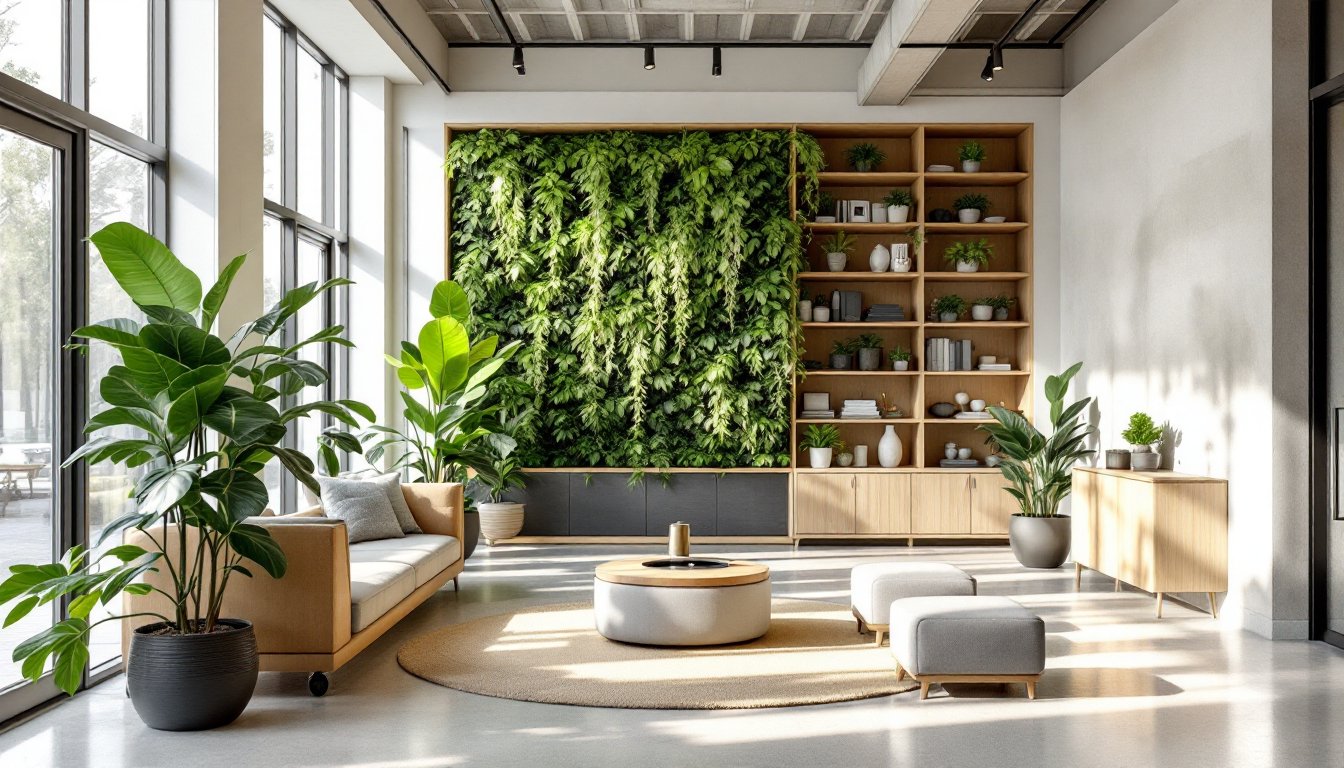
Biophilic design, the practice of bringing natural elements into interior spaces, has moved from wellness buzzword to commercial necessity. Major tech companies, healthcare facilities, and corporate offices now integrate living walls, natural light, wood textures, and water features because research shows they reduce stress, boost focus, and improve employee satisfaction. The same benefits apply at home.
In commercial settings, biophilic design ranges from a green wall behind a reception desk to large windows framing natural views, or strategically placed plants that soften hard edges and improve air quality. The trend isn’t just aesthetic: it acknowledges that humans thrive around nature. When homeowners see this in a hotel lobby or upscale office, they’re seeing a proven formula.
Living walls are less common in residential spaces, but they’re becoming more accessible. Alternatively, homeowners can achieve similar effects through simpler approaches: maximizing window exposure, adding potted plants throughout living areas, introducing wood accents (real or high-quality veneers that mimic natural grain), and incorporating stone or cork finishes. Even a window herb garden or a corner with trailing plants creates that connection to nature.
How to Incorporate Natural Elements at Home
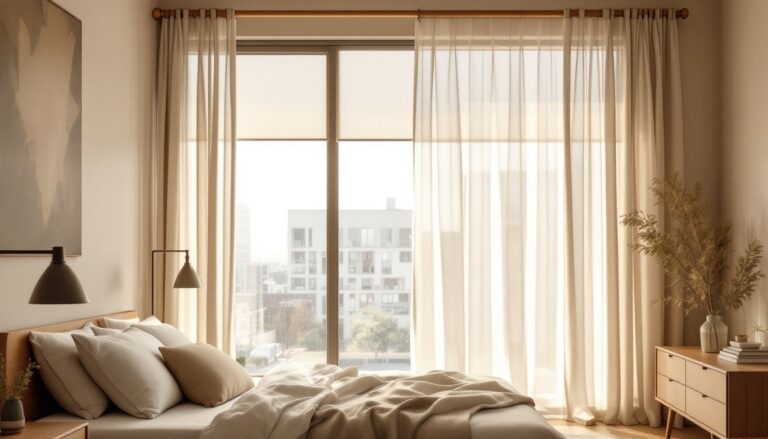
Start with natural light. If remodeling, consider adding a skylight or enlarging windows to flood spaces with daylight. This is one of the highest-ROI moves for both wellness and resale appeal. If major window work isn’t feasible, position furniture to maximize existing light and use mirrors to bounce light deeper into rooms.
Next, add layers of plant life without overdoing it. A designer might choose five to seven plants across a room, varying height and texture. Trailing pothos on a shelf, a tall fiddle-leaf fig in a corner, and small succulents on a desk create depth and visual interest. Ensure plants fit your light conditions, don’t force a fussy orchid into a dark corner.
For texture, integrate natural wood furniture or accents. A solid wood dining table, wooden shelving, or even a single statement piece of wood art introduces warmth. If solid wood feels expensive, look for veneered pieces or reclaimed wood elements that capture the aesthetic at a lower price point. Stone elements, a slate accent wall, marble countertops, or decorative stone accents, add earthy sophistication.
Water features are less practical for most homes, but a tabletop fountain or a statement fish tank can work. Alternatively, art depicting water scenes or a color palette inspired by natural water (blues, teals, soft grays) evokes the same calming effect without plumbing.
Flexible and Multi-Functional Layouts
Commercial spaces rarely have the luxury of dedicated single-purpose rooms. An office that only handles meetings wastes money: a lobby that only greets visitors isn’t maximizing square footage. So commercial designers created flexible, adaptable layouts using movable partitions, modular furniture, and zones rather than walls. This thinking now dominates residential design.
The trend reflects how people actually live. A home office doubles as a guest bedroom. A dining room becomes a craft table by day and a dinner space by night. An open-plan kitchen flows into the living room, serving multiple functions. Instead of fighting this reality, smart design embraces it. Homeowners achieve this flexibility through careful furniture selection and layout strategy.
Movable, lightweight furniture is key. Instead of a fixed desk bolted to the wall, a simple table on wheels or a folding desk can shift to open the room for another activity. Storage ottomans provide seating, hidden storage, and can be repositioned easily. Folding screens or lightweight partitions (not permanent walls) can divide an open space when needed and disappear when they don’t.
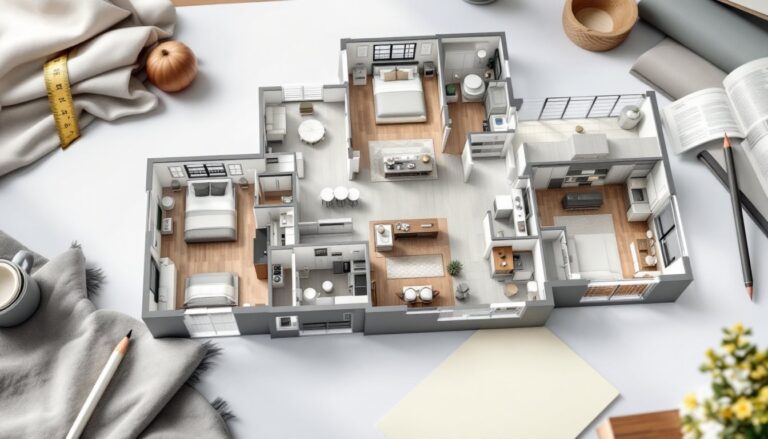
Layout zoning uses rugs, lighting, and furniture arrangement to define areas without walls. A living room might have a seating zone anchored by a rug and sofa, a reading nook in a corner with a chair and side table, and a work area at a desk positioned to face the window. Each zone is distinct but connected, and none require construction. This approach maximizes the sense of space and allows activities to coexist without feeling cramped. Homeowners working with open-concept floor plans benefit most from zoning, it prevents the “everything in one room” feeling that can make spaces feel chaotic.
Smart Storage and Modular Furniture Solutions
No commercial space survives without smart storage. Offices need filing, retail needs inventory, and break rooms need to stash supplies without visible clutter. Designers spec modular, efficient storage systems that look intentional rather than stuffed. This approach transforms residential spaces too.
Modular furniture is the workhorse of commercial interiors because it scales, moves, and adapts. A shelving unit that works in a corner office also works in a home library: a set of modular storage cubes organizes a kid’s room or a home office supply closet. The benefit is flexibility, if your needs change, the furniture adjusts rather than becoming dead weight.
When selecting storage, think vertical. Wall-mounted shelves, tall bookcases, and overhead cabinets pull storage upward, preserving floor space and creating an organized, open feel. This is especially crucial in smaller homes or rooms. A wall of floor-to-ceiling shelving might look daunting, but when thoughtfully organized with a mix of closed and open shelves, it becomes an asset rather than clutter.
Closed storage hides chaos. Open shelving displays. A smart mix of both keeps a room feeling spacious while maintaining order. For example, a bathroom might use closed cabinets for toiletries and cleaning supplies but open shelves for rolled towels and decorative items. A home office could use filing cabinets for documents but open shelves for books and decor. This balance prevents spaces from feeling either cluttered or sterile.
Modular systems also let homeowners invest gradually. Start with a basic shelving unit, then add components as needs and budget allow. Many modern modular systems (like those inspired by commercial office design) offer this flexibility without requiring professional installation or custom carpentry. Look for living room interior design solutions that emphasize storage integration for additional ideas on combining seating with hidden storage.
Sustainable and Eco-Friendly Materials
Commercial spaces are increasingly specified with sustainable materials, driven by corporate environmental commitments and long-term cost savings. A commercial kitchen might use recycled-content tile, reclaimed wood, or low-VOC finishes. These choices reduce environmental impact and often perform better than conventional alternatives.
For homeowners, sustainable materials offer durability and health benefits. Low-VOC (volatile organic compound) paints and finishes emit fewer harmful chemicals, improving indoor air quality, a real advantage in homes where people spend 80% of their time indoors. Flooring options like cork, reclaimed wood, or porcelain tile (which uses recycled content and is extremely durable) outlast cheaper alternatives and age beautifully.
Reclaimed and reclaimed-style materials add character. Reclaimed barn wood beams, vintage hardware, or salvaged doors bring authenticity and reduce waste. If authentic reclaimed materials aren’t feasible, engineered versions exist, new wood finished to look aged, or composite materials mimicking reclaimed aesthetics. These options cost less than genuine salvage while delivering visual impact.
When selecting materials, consider lifecycle cost. A premium, durable tile might cost more upfront than cheap laminate, but it outlasts cheaper options by decades. A solid wood cabinet costs more than particle board but withstands use and resists damage. Commercial designers specify materials built to last because spaces operate 24/7: homeowners benefit from the same logic. Recent interior design trends emphasize this shift toward longevity and responsibility. Resources like Dwell Magazine’s 2025 trends cover the sustainability movement in detail, and Decoist regularly features eco-conscious design ideas that homeowners can adopt. For more inspiration on color and material integration, 2024 color trend articles show how sustainable palettes work in practice.
Conclusion
Commercial interior design trends reflect how spaces are actually used, not how they look in photos. Biophilic design, flexible layouts, smart storage, and sustainable materials aren’t trends that’ll fade, they solve real problems. For homeowners, the takeaway is straightforward: steal from commercial design. Observe high-functioning spaces, identify what works, and adapt those principles to your home. The result is a space that looks intentional, functions beautifully, and holds its value over time.